




















The residential construction sector has witnessed renewed interest in wood heating systems as homeowners seek renewable heating solutions that reduce reliance on fossil fuels while providing resilient backup systems. Modern wood stoves represent substantial evolution from historical predecessors, incorporating advanced combustion technology that achieves efficiency levels and emission profiles aligned with contemporary building standards. For construction professionals, architects, and builders, understanding proper wood heating system specification and installation has become increasingly relevant. These systems require careful planning, code-compliant materials, and precise execution to deliver safe, efficient performance that meets client expectations while satisfying regulatory requirements.
Market Drivers and Client Demand
Multiple factors drive current demand for residential wood heating installations. Energy independence concerns motivate homeowners seeking heating solutions that operate independently of utility infrastructure. Recent grid vulnerabilities exposed during winter weather events have heightened awareness of backup heating value, particularly in regions experiencing severe seasonal cold.
Environmental considerations influence specification decisions as well. When sourced from sustainably managed forests, wood represents a carbon-neutral renewable fuel participating in natural carbon cycles rather than introducing geologically sequestered carbon into the atmosphere. This environmental profile appeals to sustainability-focused clients pursuing reduced-carbon residential heating strategies.
Economic factors play significant roles too. Wood heating operating costs typically run substantially below propane, heating oil, and electric resistance systems in regions where firewood remains readily available. For clients in rural and semi-rural locations with access to local wood suppliers or on-site forest resources, the cost advantages prove compelling over system lifespans.
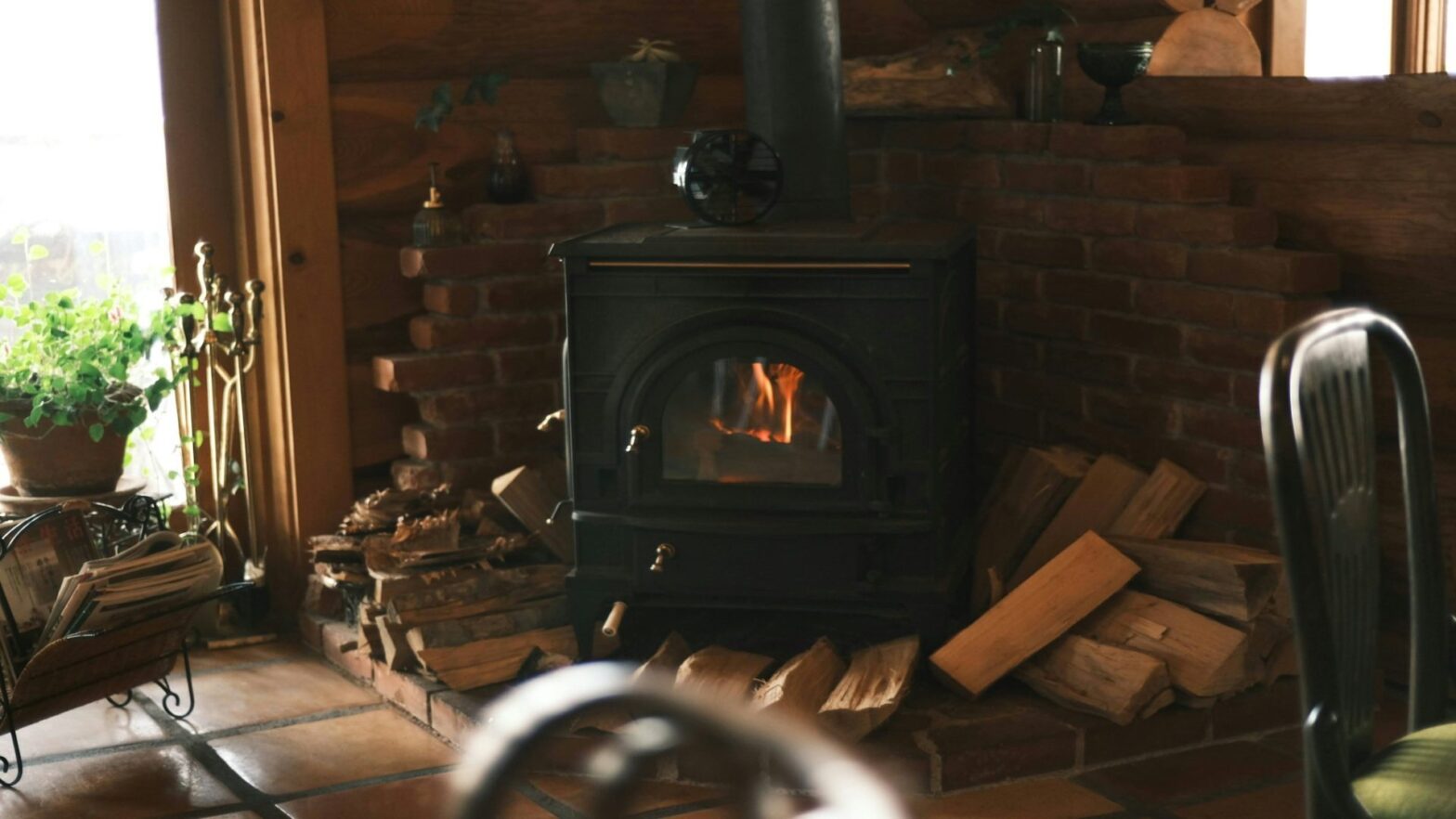
The aesthetic appeal of wood heating cannot be discounted. Contemporary wood stove designs have evolved dramatically from utilitarian predecessors. Premium manufacturers produce sophisticated heating appliances that function as architectural focal points, featuring refined industrial design, quality materials, and transparent combustion chambers that showcase fire as a visual element. These units integrate seamlessly into high-end residential projects where both performance and aesthetics matter.
Code Requirements and Compliance Considerations
Wood heating installations fall under comprehensive building code regulation that construction professionals must navigate carefully. Understanding these requirements prevents costly errors and ensures compliant installations that pass inspection.
The International Residential Code provides baseline requirements adopted with local modifications by most U.S. jurisdictions. Key provisions address clearances to combustible materials, floor protection specifications, chimney system requirements, and fresh air supply considerations. Builders must verify local code adoption and any amendments that modify IRC baseline standards.
Clearance requirements mandate specific distances between heating appliances and combustible surfaces. Standard residential stoves typically require 36 inches to unprotected walls and combustible materials. Heat shields incorporating proper air gaps can reduce these clearances substantially, typically to 12-18 inches depending on shield construction and manufacturer specifications. Floor protection must extend at least 18 inches beyond appliance loading doors and 8 inches to sides, using materials with thermal resistance ratings appropriate for appliance specifications.
Chimney systems present the most technically demanding aspect of code compliance. Where chimney pipes penetrate building envelope components including floors, ceilings, walls, and roofs, codes universally mandate Class A insulated chimney pipe engineered specifically for solid fuel burning appliances. This requirement admits no exceptions or substitutions. Class A pipe features double or triple wall construction with insulation designed for continuous exposure to elevated temperatures while protecting structural members from heat damage.
The specification must account for proper chimney height relative to roof penetrations and surrounding structures. Building codes require minimum chimney extension of 3 feet above roof penetration points and 2 feet higher than any building portion within 10 horizontal feet. These requirements ensure adequate draft while preventing downdraft conditions and keeping combustion byproducts away from building surfaces.
Ceiling support boxes or thimbles must maintain specified clearances to ceiling framing while providing structural support for chimney systems. These components require careful installation following manufacturer specifications exactly, as improper installation creates fire hazards and structural vulnerabilities.
System Specification and Component Selection
Proper system specification begins with accurate heat load calculation and stove sizing. Oversized stoves force operation at very low burn rates that cause incomplete combustion, excessive emissions, and dangerous creosote accumulation. Undersized units run constantly without achieving comfortable temperatures, wasting fuel and creating client dissatisfaction.
Heat load calculations should account for building envelope characteristics, insulation levels, window efficiency, ceiling heights, and climate zone. Open floor plans allow heat circulation more effectively than compartmentalised layouts. Cathedral ceilings create larger air volumes requiring additional capacity. These variables affect sizing decisions substantially.
Contemporary wood stoves fall broadly into steel and cast iron categories, with some featuring soapstone or ceramic cladding. Steel stoves with powder coat finishes offer lighter weight, faster heat response, and typically lower cost. Cast iron provides traditional aesthetics, thermal mass that moderates temperature swings, and established performance in heritage buildings. Soapstone cladding combines efficient steel combustion chambers with thermal mass benefits, absorbing heat during active burning and radiating it gradually for hours afterward.
EPA certification represents the baseline standard for residential wood stove specification. Current EPA standards mandate maximum particulate emission levels substantially below older technology. Non-catalytic stoves achieve clean combustion through precise air introduction and firebox geometry. Catalytic stoves incorporate ceramic honeycomb combustors that cause secondary combustion at lower temperatures, producing extremely clean burns but requiring periodic catalyst replacement.
Complete wood stove pipe kit assemblies simplify procurement and ensure component compatibility. These integrated systems include Class A chimney pipe sections, ceiling support boxes, roof penetration flashings, storm collars, and termination caps engineered to work together as complete systems. Using kits eliminates concerns about mixing incompatible components from different manufacturers while streamlining the ordering process.
Installation Best Practices
Successful wood heating installations require careful planning and precise execution. Site assessment should occur early in project timelines to identify optimal stove locations considering structural constraints, architectural design, and functional requirements.
Floor structure must support combined weight of stove, hearth pad, and chimney system. Most residential floor systems handle typical wood stove loads easily, but installations over basements or crawl spaces occasionally require supplemental support. Structural engineers should review framing plans when installation locations raise capacity concerns.
Hearth pad construction requires non-combustible materials providing specified thermal protection. Common approaches include cement board topped with tile, brick, or stone pavers. Metal plates over insulating materials work for some applications. Hearth pads must maintain level surfaces and extend required distances beyond appliance perimeters. Custom hearth construction allows integration of local stone or specialty materials that enhance architectural aesthetics while meeting functional requirements.
Chimney routing deserves careful planning to minimise elbows and offsets while maintaining required clearances. Straight vertical runs create optimal draft and simplify maintenance. Each elbow or offset reduces draft performance slightly and creates potential cleaning challenges. When architectural constraints demand offsets, minimising their number and angle produces best results.
Interior chimney installations keep systems within building envelopes, maintaining higher flue gas temperatures that improve draft. Exterior installations simplify roof penetrations but expose chimney systems to outside temperatures that can affect performance. Climate zones with severe cold may experience reduced draft with exterior installations until systems warm thoroughly.
Roof penetrations require weatherproof flashing systems that shed water effectively while accommodating thermal expansion. Adjustable flashings work with various roof pitches. Storm collars install above flashings and seal against chimneys using high-temperature silicone, preventing water intrusion at vulnerable junctions. Proper flashing installation prevents water damage that can rot roof structures and create expensive repairs.
Chimney caps with spark arrestors prevent rain entry, block animal access, and contain sparks while allowing unrestricted smoke flow. Quality caps feature sturdy construction that withstands wind loads and weather exposure. Inadequate caps fail prematurely, leaving chimneys vulnerable to water damage and animal nesting.
Quality Control and Inspection
Rigorous quality control during installation prevents problems and ensures code-compliant work. Installation teams should verify clearances continuously as work progresses rather than discovering violations during final inspection. Measuring and documenting clearances at multiple stages catches errors when correction remains simple.
All pipe joints require proper seating and secure connection. Class A chimney pipe typically uses twist-lock mechanisms that click into place when properly engaged. Incomplete engagement creates gaps that compromise system integrity. Visual inspection of every joint confirms proper assembly before concealing systems behind finished surfaces.
Flashing and storm collar installation demands particular attention to detail. Flashing must integrate properly with roofing materials, sliding under upper shingles while overlaying lower courses. Storm collars must seal completely against chimney pipes using appropriate sealants. Water testing after installation verifies weatherproof performance before final inspection.
Building inspections typically occur after rough-in but before concealment. Inspectors verify clearances, examine chimney system installation, confirm proper support box installation, and check that specified materials match permit documents. Maintaining good inspector relationships and scheduling inspections promptly prevents project delays.
Documentation should include photographs of key installation stages showing clearances, framing work, and chimney assembly before concealment. These records prove valuable if questions arise later and provide reference for future maintenance or modifications.
Client Education and Handoff
Proper client education represents an often-overlooked installation aspect that significantly affects long-term satisfaction. Wood heating requires more active participation than thermostat-controlled systems, and clients unfamiliar with operation may struggle initially.
Installation completion should include thorough operational training covering fire starting techniques, air control adjustment, reloading procedures, and ash removal. Demonstrating proper operation provides more effective education than written instructions alone. Clients should understand that wood moisture content critically affects performance and that only properly seasoned wood below 20 percent moisture should burn.
Maintenance requirements deserve clear explanation. Chimney inspection and cleaning prevent dangerous creosote accumulation that causes chimney fires. Glass cleaning, gasket replacement, and general stove care ensure optimal performance and longevity. Providing maintenance schedules and local chimney sweep contact information helps clients maintain systems properly.
Safety considerations including carbon monoxide detector placement, smoke detector requirements, fire extinguisher location, and emergency procedures should receive emphasis. While properly installed and operated wood heating systems present minimal safety risks, ensuring clients understand basic safety practices provides additional protection.
Documentation packages should include manufacturer manuals, installation specifications, warranty information, and local chimney sweep contacts. Many builders create custom information packets specific to wood heating installations that clients can reference as questions arise.
Common Installation Errors and Prevention
Experience reveals recurring installation errors that construction professionals should guard against vigilantly. Improper clearances represent the most frequent violation, often resulting from inadequate measurement or misunderstanding heat shield requirements. Using calibrated measuring tools and verifying clearances at multiple points during installation prevents this error.
Using incorrect chimney pipe types creates serious safety hazards. Single-wall stove pipe must never penetrate ceilings, walls, or roofs regardless of visible insulation or protection. Only UL-listed Class A chimney pipe rated for solid fuel burning meets code requirements for envelope penetrations. This specification admits no substitutions or improvisation.
Inadequate floor protection causes occasional problems, typically from extending pads insufficient distances or using materials without proper thermal resistance. Following manufacturer specifications exactly prevents these errors. When specifications seem unclear, consulting manufacturers directly clarifies requirements.
Poor flashing installation leads to water damage that may not manifest immediately but creates expensive problems over time. Taking time to install flashings properly during initial installation prevents callbacks and preserves builder reputations.
Neglecting fresh air supply considerations affects performance in tightly constructed modern homes. Wood stoves consume combustion air that must come from somewhere. In homes with minimal natural infiltration, dedicated outdoor air supplies prevent negative pressure that can cause backdrafting or poor draft.
Market Outlook and Future Considerations
Demand for residential wood heating appears likely to continue growing as energy independence concerns persist and environmental awareness increases. Construction professionals developing expertise in proper wood heating installation position themselves advantageously in markets where these systems appeal to target demographics.
Regulatory environments continue evolving. EPA standards for residential wood stoves have tightened progressively over recent decades, with future regulations likely demanding even lower emissions. Specifying equipment that exceeds current minimums provides some protection against near-term regulatory changes that could affect system acceptability.
Hybrid heating approaches combining wood systems with heat pumps or other renewable technologies represent an emerging trend. These configurations allow wood heating to handle peak loads and provide backup during outages while efficient electric systems manage baseline heating needs. Understanding how to integrate multiple heating technologies creates opportunities for sophisticated system design that appeals to high-end clients.
Smart home integration offers another evolution pathway. While wood heating remains fundamentally manual, some manufacturers now offer units with electronic air controls and monitoring capabilities that integrate with home automation systems. These features appeal to tech-oriented clients who appreciate wood heating’s benefits but value connectivity and data.
Conclusion
Wood heating system installation in residential construction demands comprehensive understanding of code requirements, proper component specification, and precise execution. For construction professionals committed to quality work, these installations offer opportunities to deliver value-added services that differentiate their offerings in competitive markets.
Success requires treating wood heating as integrated building systems rather than simple appliance installations. Proper planning, quality materials, code-compliant installation, thorough inspection, and effective client education combine to produce installations that perform reliably, satisfy clients, and reflect positively on builder reputations.
As the residential construction sector continues addressing energy efficiency, sustainability, and resilience, wood heating systems will remain relevant options for appropriate applications. Construction professionals developing expertise in these installations position themselves to serve growing market demand while delivering quality work that meets evolving client expectations and regulatory requirements.