
















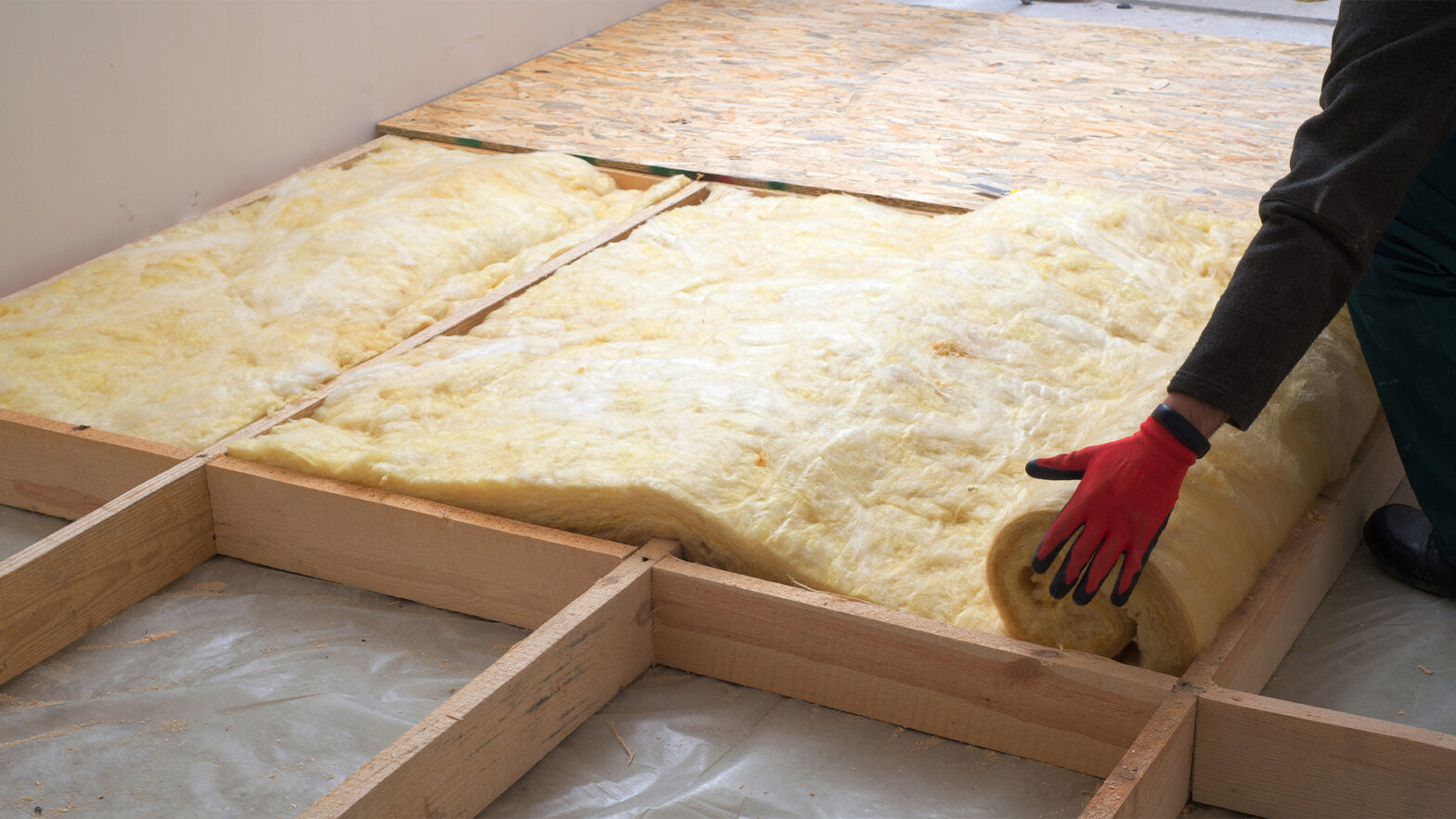
As warm flat roof systems become increasingly popular, experts are warning that incorrect material choices can lead to hidden moisture issues and reduced roof lifespan. While timber decking is sometimes used above insulation, doing so can create an unventilated environment where trapped moisture has nowhere to escape, increasing the risk of rot and system failure over time.
Mike Storey, roofing and insulation expert at UKFR Roofing & Insulation, explains:
“The primary issue when installing a timber deck above your flat roof insulation is that any moisture within the roof build-up or timber cannot escape.
“As a result, trapped moisture will condense and evaporate as the roof temperature changes, gradually causing the deck to rot. This can also lead to the failure of the bond between the roofing system and the timber deck.
“No one can say for certain how much impact this issue has on its own, as very little testing has been done.
“When installing timber above insulation and under an Ethylene Propylene Diene Monomer (EPDM) rubber roof, it’s generally considered an acceptable method due to the EPDM being slightly breathable by nature.
“We often recommend EPDM when a customer has already purchased the wrong type of insulation and needs to install a timber deck, as its breathability offers some tolerance.
“When the rest of the roof is built to a high specification, we believe it should still achieve its expected lifespan of around 50 years.
“There are many differing opinions on this topic, and there appears to be limited testing or published data within the industry, as warm deck roofs are still relatively new compared to cold roofs.
“However, it’s important to note that there is always some risk involved when using a timber deck in a warm roof system, as the timber sits in an unventilated space and may be prone to rot over time. Therefore, where possible, we generally recommend avoiding it.”
What can go wrong if you install the incorrect insulation board on a flat roof?
“If you install the incorrect insulation board on a flat roof, there are various issues that can go wrong, however, the main problem is when a non-flat roof specified insulation board is installed.
“The issue with non-flat roof specified boards is that they don’t have the correct compressive strength required for flat roofs, they are not BBA certified for use in flat roofs, and they are generally foil-faced.
“A standard PIR insulation board has a compressive strength of 120–140 kPa, while a flat roof specification board is rated at 150 kPa.
“This may not sound like a huge difference, but if the standard board is at the lower end of the range (120 kPa), the flat roof board is around 25% denser. If you’ve ever compared the two side by side, you’ll have noticed this difference for yourself.
“Another important consideration is that standard PIR boards do not have BBA certification for use in flat roofs. Using a non-BBA-certified product can compromise the system’s ability to meet its intended specification.
“It may also void any guarantees through the manufacturers, as guarantees are usually based on the full build-up being installed correctly.
“If it can be seen that a non-certified product has been used, then it is more likely that manufacturers will be able to deny the guarantee if failure occurs.
“Standard PIR boards are also foil-faced only, which means they cannot be bonded directly to the waterproofing layer above, as the foil-facing would just peel away.
“As a result, a timber deck becomes necessary, which can eventually rot in the unventilated warm deck roof build-up.”
For more information, visit UK Flat Roofing.