







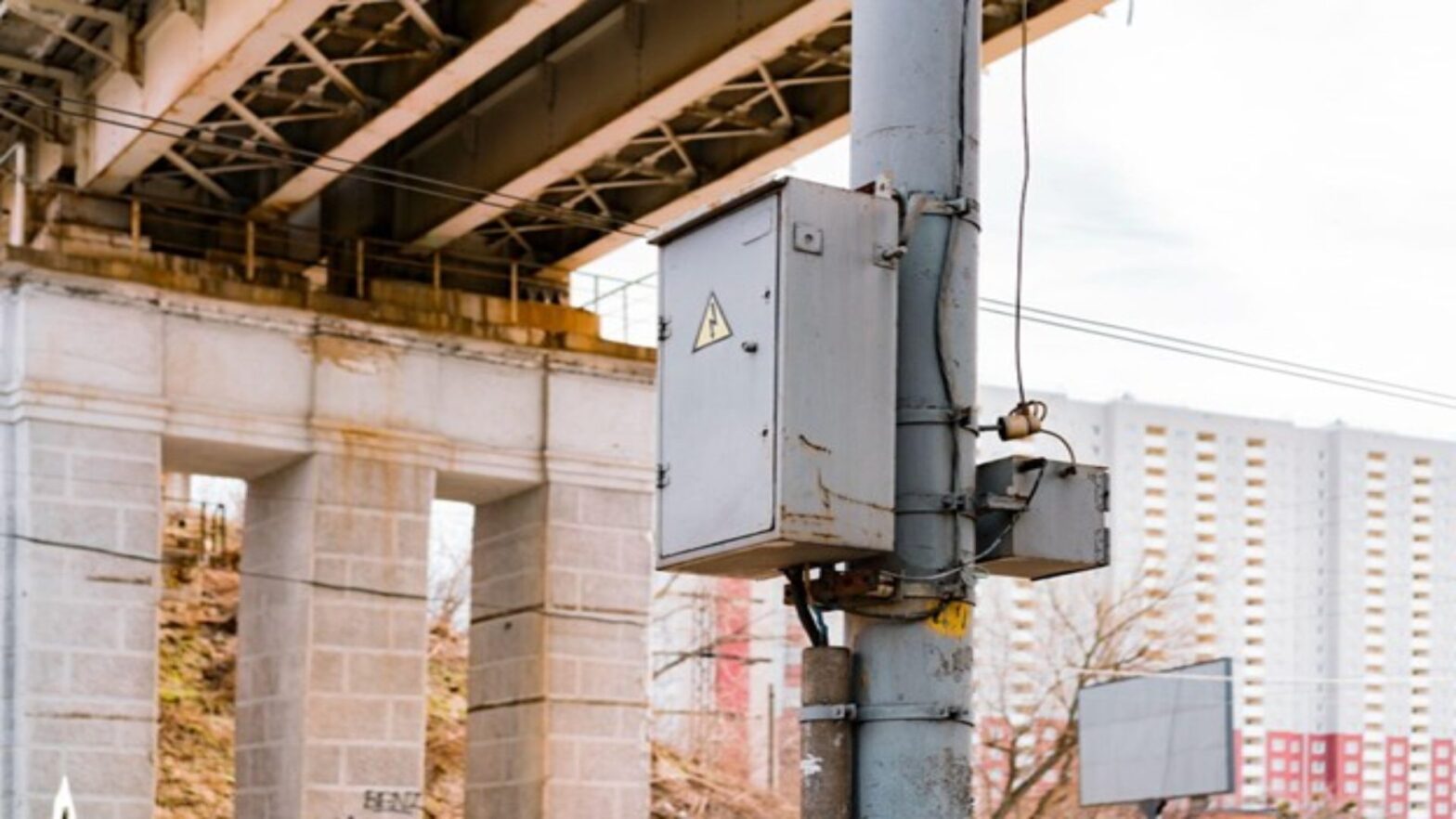











Power infrastructure is one of the most important yet often underappreciated parts of modern construction. Whether you are building a manufacturing plant, a distribution center, or a hospital, your project depends on reliable, properly sized electrical systems. As energy demand increases and buildings become more complex, builders and developers must understand how medium and high voltage systems function and why they matter. Selecting the right equipment, including a well-matched high voltage transformer, can make the difference between smooth operations and costly delays.
Understanding the Basics: What These Terms Mean
Medium voltage generally refers to electrical systems that operate between one thousand and thirty five thousand volts. High voltage typically refers to systems above thirty five thousand volts. These classifications are important in construction because they determine how electricity is delivered, transformed, and distributed across a site.
In most commercial and industrial builds, power arrives from a utility at medium or high voltage levels. That electricity must then be stepped down through transformers to levels that can be safely used by lighting, machinery, and technology systems inside the building.
Because of the higher voltages involved, these systems require different design considerations than low voltage systems found in residential buildings. They also involve different safety standards, equipment types, and installation practices.
Why Power System Design Should Start Early
In many projects, the focus is understandably on site plans, structural engineering, and code compliance. But leaving electrical planning too late can lead to serious complications. Medium and high voltage equipment is physically larger, often custom-ordered, and must meet strict specifications.
Early coordination between electrical engineers, builders, and utility providers helps avoid bottlenecks. This is especially important when transformers, switchgear, or custom cable systems are required. Lead times for this equipment can extend project schedules if not planned in advance.
Builders who understand the general requirements of high voltage installations are better positioned to manage expectations, sequence work effectively, and flag design conflicts before they impact progress on site.
Equipment Selection and System Matching
A central part of medium and high voltage planning is transformer selection. The right transformer ensures safe voltage reduction and consistent energy delivery. Choosing the wrong type or size can result in inefficiencies, overheating, or even safety hazards.
Important transformer considerations include:
●Load capacity: The transformer must handle both current demand and any anticipated growth
●Voltage matching: Both input and output voltages must match upstream supply and downstream equipment
●Cooling method: Air cooled and oil cooled transformers have different maintenance and installation needs
●Location: Transformers placed indoors or outdoors require different enclosures and environmental protections
Builders should work closely with engineers to understand where and how transformers will be installed, as this impacts foundation design, access clearances, and ventilation.
Safety and Compliance Are Non Negotiable
Medium and high voltage systems must comply with national electrical codes and local regulations. These codes dictate everything from grounding systems and clearances to labeling and access control.
Improper installation of high voltage equipment can lead to severe consequences. Safety measures such as arc flash protection, lockout systems, and properly rated personal protective equipment are not optional. They are essential to protect workers during construction and future maintenance.
Inspections and testing are critical before any system is energised. This includes insulation resistance testing, ratio verification, and protective relay calibration. Builders should ensure that their contractors understand these procedures and plan adequate time in the schedule to perform them.
Integration with the Overall Construction Schedule
Medium and high voltage systems are not standalone features. They connect to civil work, structural design, and even architectural finishes. For example, transformer pads may require coordination with concrete pours. Switchgear rooms must meet specific clearance and ventilation standards.
Coordinating with multiple trades becomes essential. Conduit runs, cable trays, and penetrations must be sequenced properly to avoid delays. Builders who understand the scope of electrical infrastructure are better equipped to keep the broader schedule on track.
Moreover, many high voltage systems require commissioning by utility representatives. Scheduling this requires advance notice and coordination, especially in jurisdictions with limited availability or strict compliance steps.
Planning for Maintenance and Expansion
Another key consideration is future flexibility. Unlike low voltage systems, changes to high voltage layouts are difficult and costly once construction is complete. Builders and developers should work with engineers to plan for maintenance access, future upgrades, or potential redundancy.
Simple design choices such as providing space for future switchgear or ensuring transformers are accessible by crane can significantly reduce future operational challenges.
Understanding the long term implications of electrical decisions helps builders deliver projects that not only meet today’s needs but also serve occupants for decades to come.
Final Thoughts
Power infrastructure is not a background detail. For large-scale buildings and industrial projects, it is a critical success factor. Builders who understand the basics of medium and high voltage systems can better manage complexity, reduce delays, and ensure safer, more reliable outcomes.
From early planning through final commissioning, electrical decisions ripple through the entire project. Collaborating with engineers, anticipating utility requirements, and selecting the right equipment ensures that your construction project stays on schedule, meets performance targets, and is ready for the future.
Whether you are delivering a large logistics hub or a high-tech facility, investing in smart electrical planning is one of the best ways to support long term building success.