









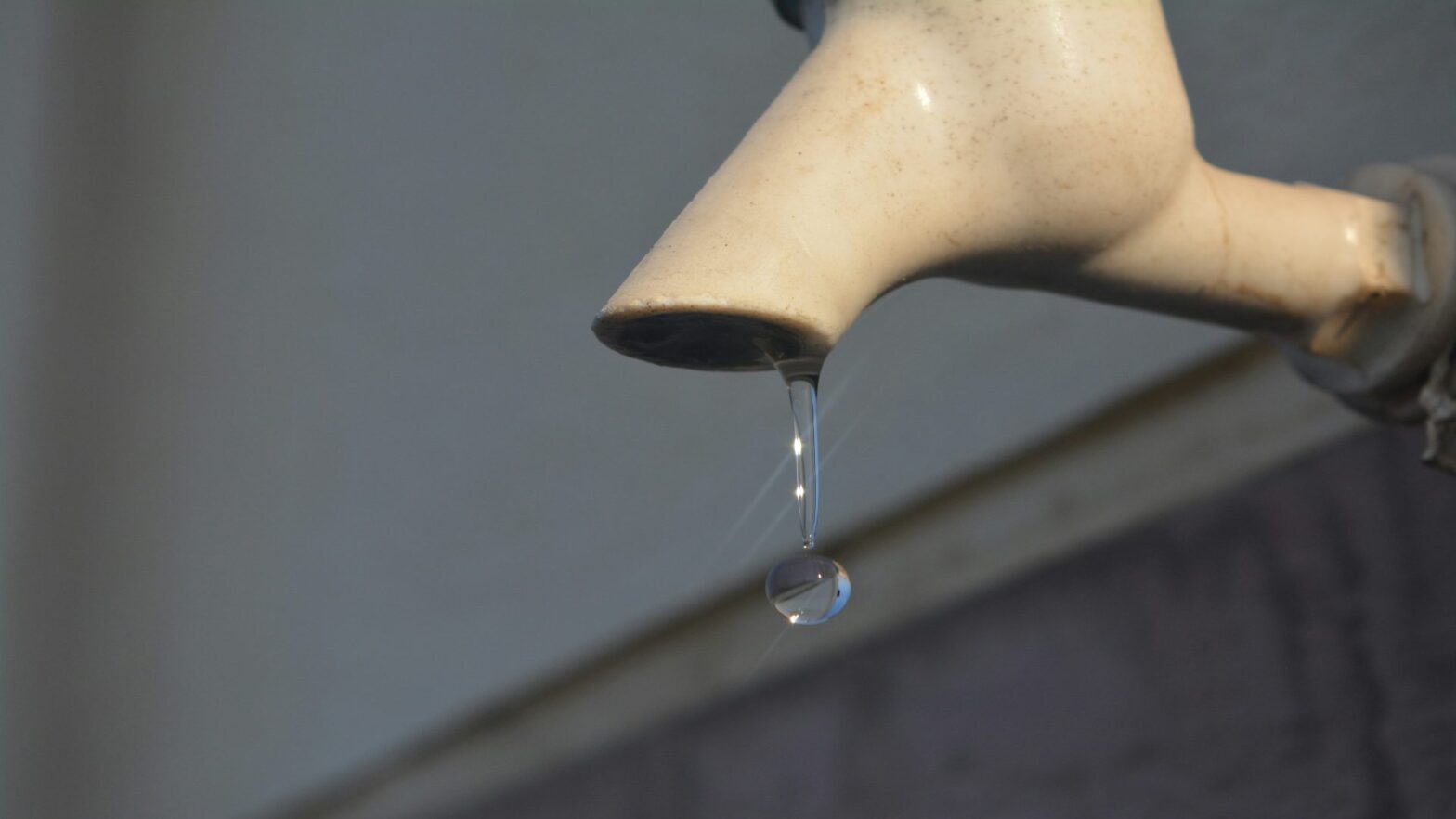










Water problems rarely start loud. They whisper first, with a slow drip behind a wall, a faint rattle in a pipe, or a tap that suddenly feels weak. If you learn the early signs, you can stop small issues before they become costly repairs. A calm, curious walkthrough of sinks, fixtures, and mechanical rooms each month can keep your home healthy and your budget predictable.
Low Water Pressure That Sneaks Up On You
Low pressure often appears as a shower that will not rinse shampoo easily or a kitchen tap that fills pots at a crawl. Start by testing several fixtures because a single weak tap points to an aerator or local valve, while house wide weakness suggests a main valve, a pressure regulator, or supply trouble. If the whole system feels sluggish, call your utility to ask about neighborhood work, then check the main shutoff to ensure it is fully open. Mineral buildup inside older pipes can narrow the path for water, and a faulty regulator can cut flow without warning. Track changes with a simple pressure gauge on an outdoor spigot so you have a baseline that helps a technician diagnose the cause quickly.
Hidden Leaks That Leave Subtle Clues
Water that escapes behind finishes can travel far before it shows itself. Watch for slightly swollen baseboards, blistered paint near tub surrounds, or a shadow line on a ceiling below bathrooms. If you spot any of these, reach out to trusted pros for a noninvasive check and consider residential plumbing services to run moisture readings and thermal scans, then plan a tidy repair before materials swell further. Place a dry paper towel under suspect traps and valves to see if a slow weep leaves a mark after a day. Review appliance hoses at washing machines and dishwashers because a cracked line can mist rather than spray, which leaves only a faint mineral trace at first.
Discolored Water That Signals Source Or Pipe Issues
Brown, yellow, or milky water can feel alarming, but the pattern of change points to the source. If color appears only at first draw and clears quickly, sediment may be resting in fixtures or in a short section of pipe. If hot water alone shows discoloration, your water heater may be harboring rust or sediment, and a flush could restore clarity.
Widespread color from both hot and cold suggests a municipal disturbance like a hydrant test or main work, which usually clears after running taps for a short period. Pay attention to odor as well, since a rotten egg smell from hot lines can indicate an anode issue that a technician can address with a targeted service visit.
Noisy Pipes And The Telltale Water Hammer
Banging or clattering when valves close points to water hammer, a pressure spike that shakes pipes and stresses joints. Air chambers or arrestors installed near fast closing valves soften that spike and protect the system. If you hear a faint whine or hum when a fixture runs, a failing cartridge or a partly closed valve may be creating turbulence.
Secure loose pipe runs with proper straps so vibrations do not echo through framing, and add cushion where lines pass through tight holes in studs. If noise appears after a new appliance installation, ask the installer to verify valve positions and confirm that a hammer arrestor is in place at the supply lines.
Slow Drains And Early Sewer Warnings
A single slow drain usually means local buildup of soap, hair, or grease near the trap. When several fixtures on the same floor begin to drain poorly, start thinking about a larger restriction downstream. Gurgling sounds, toilets that bubble when a nearby sink drains, or a faint sewer odor near floor drains can indicate a venting issue or a partial main line obstruction.
Roots can enter small gaps in older lines and trap debris, which reduces flow long before a full blockage occurs. A camera inspection gives a clear picture of the pipe interior and helps you choose between cleaning, spot repair, or lining before backups reach living spaces.
Water Heater Trouble That Hints Before It Fails
Hot water that fades quickly, fluctuates during a single shower, or smells metallic suggests a heater that needs service. For tank models, drain a few gallons from the bottom spigot to check for sediment and inspect the anode rod to see if it is near the end of its life. For tankless units, intermittent shutoffs can point to scale at the heat exchanger or a flow sensor that needs cleaning.
Listen for rumbling as the burner fires on tank units because that sound often comes from boiling beneath a sediment layer, which reduces efficiency and stresses the tank. Keep clear space around the heater for proper combustion air and schedule a yearly check so small issues do not turn into leaks or no hot water calls.
Mysterious Spikes In Your Water Bill
A sudden bill increase often signals a leak you cannot see. Put a few drops of food coloring in the toilet tank and wait without flushing to see if the color reaches the bowl, which reveals a flapper or fill valve issue that can waste gallons silently. Check the water meter with all fixtures off to see if it moves, which confirms flow somewhere in the system.
Irrigation lines and outdoor spigots deserve special attention because a small underground break can run for weeks before wet spots appear. Log nightly and morning meter readings for a few days to pinpoint when usage jumps, then isolate zones by closing valves to track the source with less guesswork.
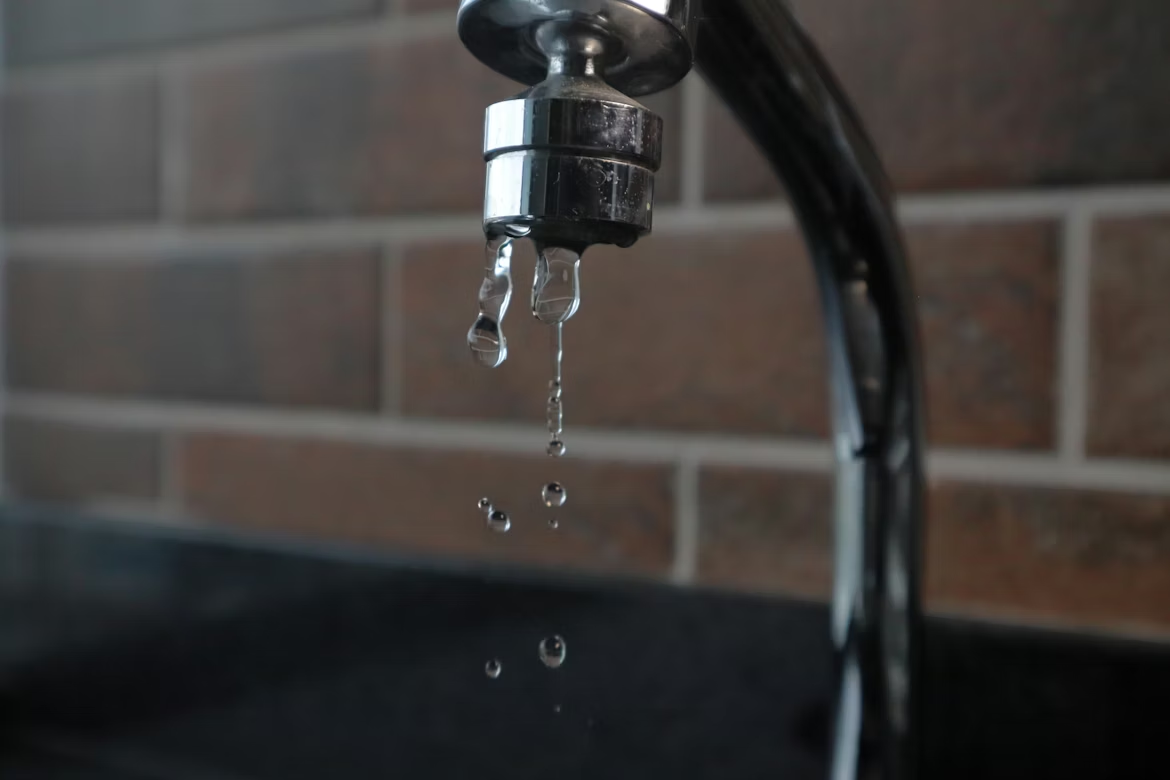
Calm awareness is the best tool a homeowner can carry. Short monthly checks, a willingness to note faint changes, and quick action on small clues prevent messes and stretch the life of pipes, valves, and fixtures. When you combine simple habits with occasional professional checks, water stays a comfort instead of a surprise. With that rhythm in place, your home runs quietly, bills stay predictable, and the next season of showers and laundry feels as simple as it should.