
















In construction economics, few spaces command the outsized influence of bathrooms. Strategic comprehensive bathroom renovation projects and expert high-end bathroom remodeling investments consistently generate property value returns that dwarf their square footage footprint, creating what industry analysts call the “bathroom multiplier effect.” While modern bathroom renovation contracts typically represent just 5-10% of total residential construction budgets, they account for nearly 25-40% of home value appreciation in competitive property markets, making them the closest thing construction has to guaranteed returns in an otherwise unpredictable development landscape.
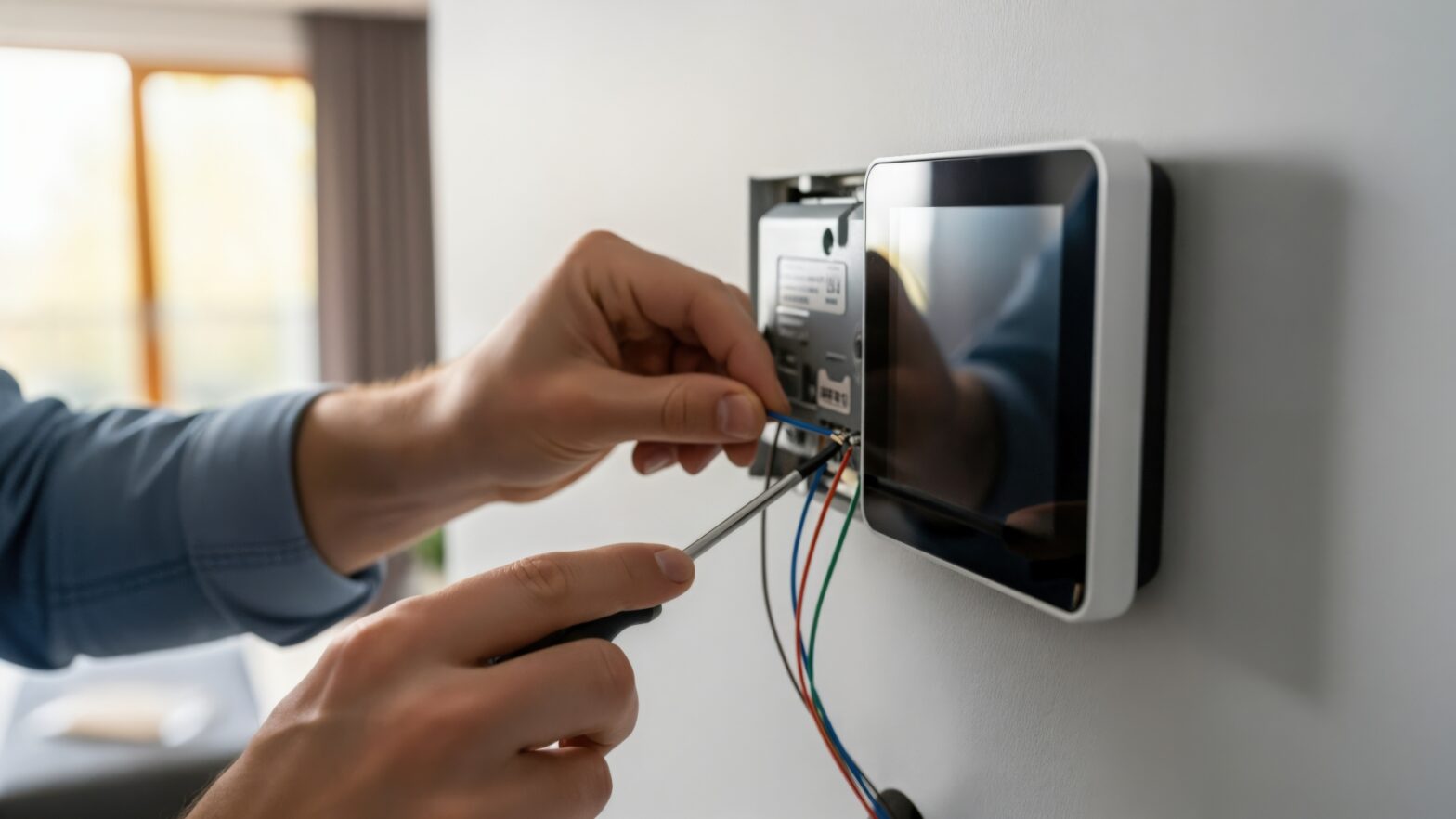
The mathematics tell a compelling story that savvy developers and contractors already understand. Smart bathroom renovation implementations demonstrate how strategic technology integration creates measurable ROI through efficiency gains and property appreciation. According to analysis from Architectural Digest’s property value research, mid-range bathroom renovations recover 60-70% of costs at resale, while upscale renovations in premium markets often exceed 100% cost recovery, effectively paying for themselves through increased property valuations.
The Square Footage Illusion
Bathrooms occupy minimal floor area yet exert maximal influence over buyer psychology and property valuations. Think of them like leverage points in physics where small forces create outsized effects. A 50-square-foot bathroom renovation can elevate perceived value across an entire 2,000-square-foot property, much like how a luxury hotel judges its entire experience by bathroom quality rather than lobby grandeur.
This phenomenon occurs because bathrooms serve as proxy indicators for overall property maintenance and quality standards. Potential buyers consciously or unconsciously extrapolate bathroom condition across the entire structure. Dated tile and fixtures signal deferred maintenance throughout, while contemporary renovations suggest attentive ownership and quality construction standards. The cognitive shortcut makes bathroom investment essential for developers seeking maximum property values with targeted capital deployment.
Construction firms specializing in bathroom renovations understand this psychology intimately. They position these projects not as simple fixture replacements but as strategic value engineering that transforms property market positioning. A $25,000 bathroom investment can shift property from “needs updating” to “move-in ready” categories, often justifying $75,000-100,000 price increases that far exceed renovation costs.
Material Supply Chain Considerations
Bathroom renovations present unique supply chain challenges that separate competent contractors from exceptional ones. Lead times for premium fixtures, custom tilework, and specialized materials often extend 8-12 weeks, requiring precise project scheduling and inventory management that rivals just-in-time manufacturing protocols.
Smart contractors maintain relationships with multiple suppliers across different price points, enabling flexibility when preferred materials face delays or availability issues. This diversification strategy mirrors risk management approaches in larger construction projects, ensuring that material constraints don’t derail project timelines or force unwanted design compromises that diminish final results.
The recent volatility in global supply chains has elevated bathroom renovation planning complexity. Contractors now recommend securing materials before demolition begins, essentially front-loading procurement processes that traditionally occurred mid-project. This shift requires increased working capital but dramatically reduces project timeline uncertainty that can cascade into expensive delays and client dissatisfaction.
Labor Specialization Economics
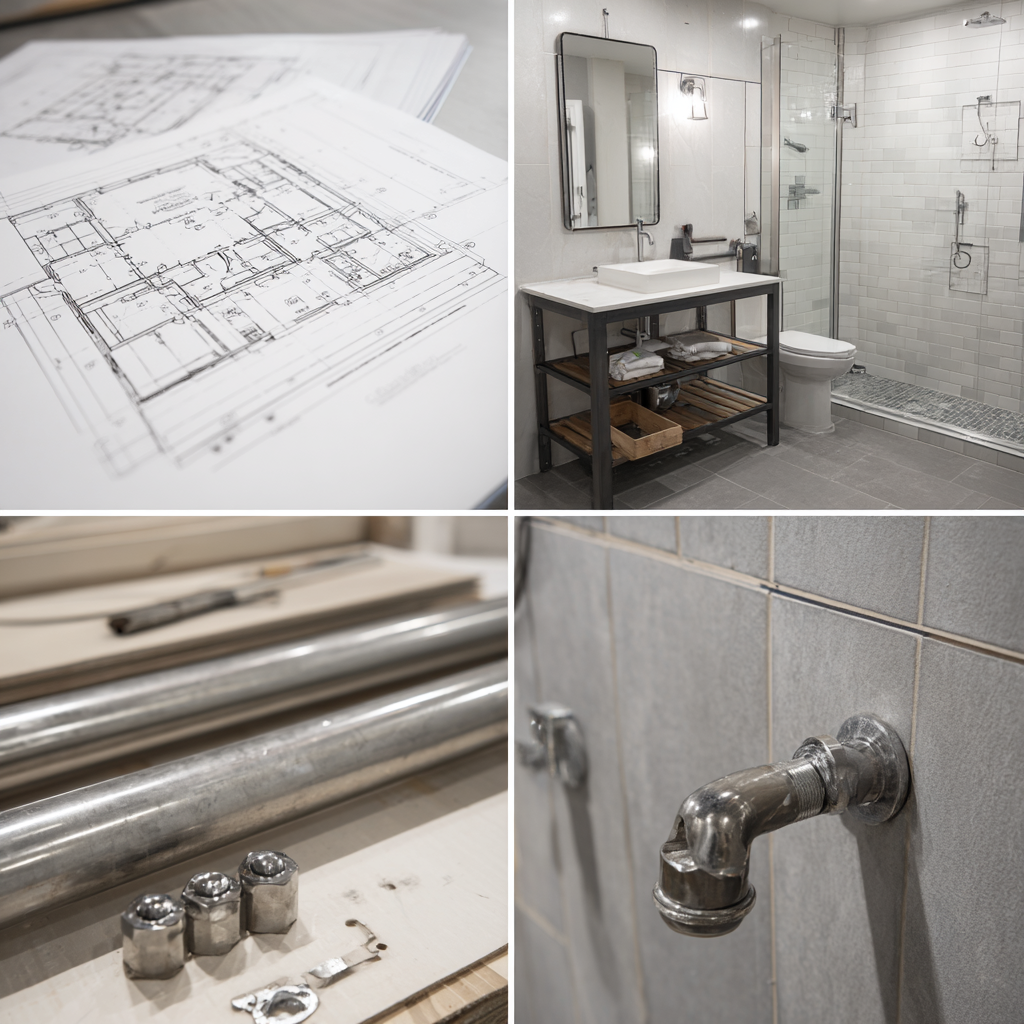
Bathroom renovations demand specialized labor across multiple trades: plumbing, electrical, tile installation, cabinetry, and finishing work. Coordinating these specialists within confined spaces creates logistical challenges that inflate labor costs per square foot compared to larger construction projects where trades can operate more independently.
The confined workspace also impacts productivity metrics. A skilled tile installer might complete 200 square feet daily in open spaces but only 80-100 square feet in bathroom installations due to constant equipment repositioning, detail work around fixtures, and waterproofing requirements. These productivity constraints explain why bathroom labor costs often surprise clients accustomed to comparing square-foot pricing across different construction categories.
Forward-thinking contractors address these challenges through specialized bathroom renovation crews that work together regularly, developing workflows optimized for small space efficiency. These teams can complete installations 30-40% faster than generalist crews unfamiliar with bathroom-specific challenges, creating competitive advantages through superior scheduling reliability and reduced overhead costs.
Code Compliance Complexity
Bathroom renovations trigger building code requirements that often necessitate expensive upgrades beyond visible finishes. Modern plumbing codes mandate specific pipe materials, venting configurations, and water conservation fixtures that may require complete system replacements rather than simple fixture swaps.
Electrical code compliance presents similar challenges. GFCI protection, proper lighting levels, ventilation requirements, and accessibility standards all impact project scope and costs in ways that aren’t immediately apparent during initial planning. Experienced contractors factor these requirements into preliminary estimates, while less sophisticated competitors often encounter costly mid-project surprises that erode profitability and client relationships.
The Americans with Disabilities Act and similar international accessibility standards increasingly influence bathroom design even in private residences. Forward-thinking renovations incorporate universal design principles that accommodate aging populations without sacrificing aesthetic appeal, creating properties with broader market appeal and future-proofed functionality that protects long-term value.
Waterproofing Technology Advances
Modern waterproofing systems represent dramatic improvements over traditional methods, yet many contractors continue using outdated approaches that create long-term liability exposure. Advanced membrane systems, prefabricated shower pans, and liquid-applied waterproofing create more reliable moisture barriers that protect structural investments and prevent expensive remediation projects.
The economic case for premium waterproofing exceeds immediate cost considerations. Traditional tile installations fail at rates approaching 60-70% within 10-15 years due to moisture penetration, while modern membrane systems achieve 95%+ success rates over similar timeframes. The differential risk exposure significantly impacts contractor warranty obligations and reputation management in ways that justify premium material investments.
Insurance implications also favor advanced waterproofing approaches. Many professional liability carriers now offer reduced premiums for contractors utilizing specified waterproofing systems, recognizing that modern methods substantially reduce claim probability and severity. These premium reductions often offset material cost differentials while reducing long-term business risk exposure.