


















There comes a time in the life of every homeowner when they are asked a big question: Do you find a Raleigh heat pump replacement or buy something new? Once heating or cooling issues begin to emerge, then the question of repairing or replacing the HVAC system is not a theoretical discussion; it has a direct impact on your comfort, the size of your energy bill, and the value of your house in the long run.
To choose correctly, it will be necessary to know how your system operates, how many years it is supposed to serve, and how the peculiarities of your home work. Homeowners can make this choice between HVAC system repair vs. replacement with calmness rather than anxiety, with the assistance of more established providers such as Comfort Monster.
Learning the Life Span Of Your HVAC System
One of the predictors of HVAC system repair vs. replacement is age. The majority of systems are designed to work effectively within a designated time span, and the knowledge of the average lifetime of an HVAC system would enable the homeowner to plan instead of having to address the failure in a panic.
Overall assumptions on the longevity of the system are:
- Furnaces: should have a life span of 15 20 years.
- Air conditioners: they normally last between 10 and 15 years.
- Heat pumps: their lifespan is usually 10-15 years.
Although the latter can be maximized with regular updates, performance tends to deteriorate with old age. Maybe the repeated maintenance you are doing on your unit is of diminishing marginal value in life. More recent systems, in their turn, tend to be more dependable and energy-efficient immediately after being deployed.
How to Assess the Efficiency of Your HVAC System
Efficiency is a key factor that will put an idea of whether your existing setup is worth retaining or not. Systems that are old may tend to use more energy to provide the same degree of comfort, and this may quietly lead to increased utility bills at the end of the month.
Such typical symptoms of inefficient performance encompass:
- Increase in heating or cooling costs despite no increase in usage.
- Room-to-room discrepancies in temperatures.
- Systems that are continuously running or cyclic.
- Problem with controlling your preferred thermostat.
Year-on-year comparisons of the energy bills would be valuable hints. When the inefficiency is still there even after maintenance, replacement can be a long-term savings and more comfortable.
How Your Home’s Structure Affects HVAC Decisions
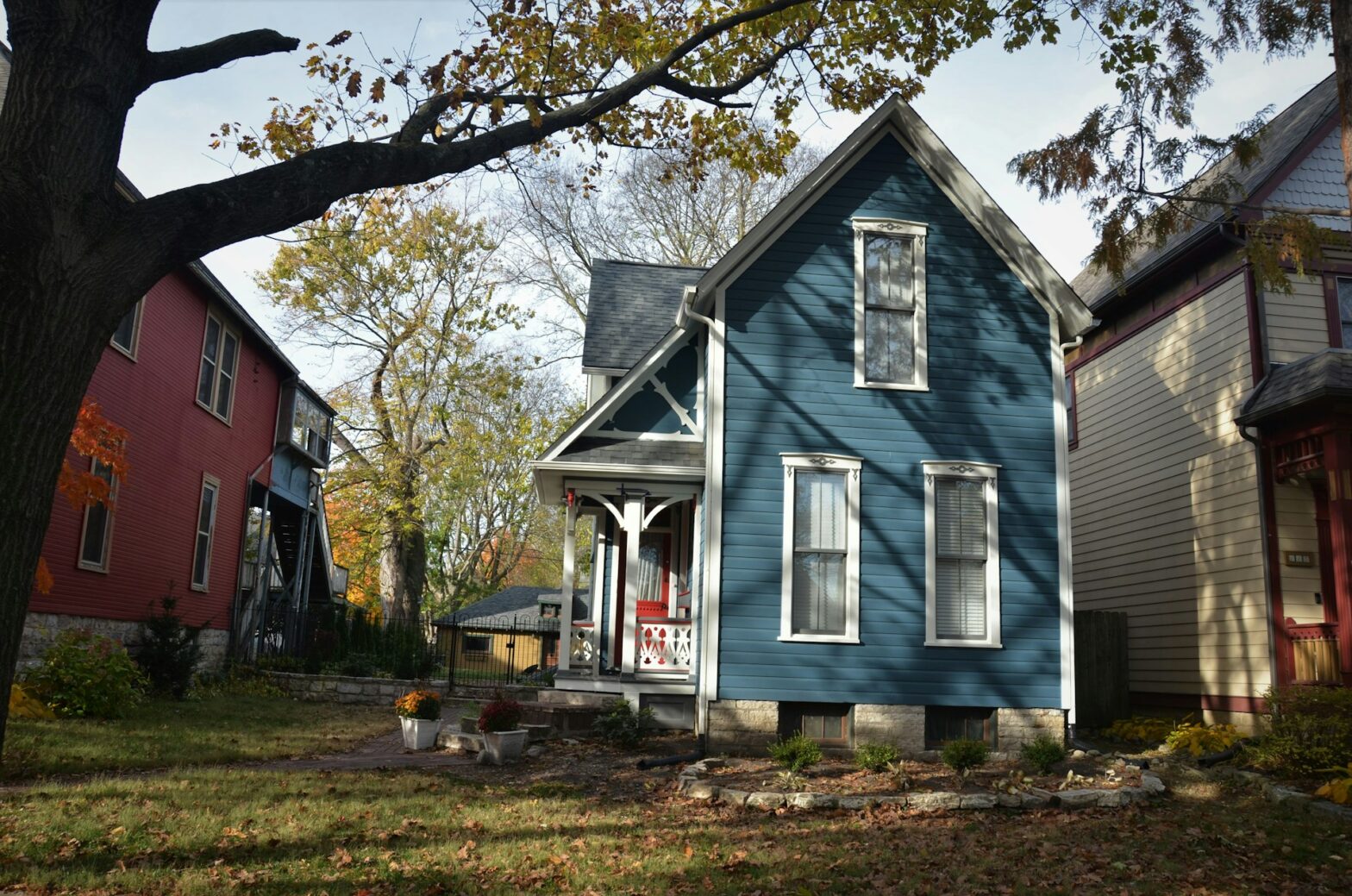
Your HVAC system is not isolated since the design of your house directly affects its workload and performance. The structural features may either contribute to efficient work or put constant pressure on the equipment.
Major factors related to the home to be considered are:
- Space and height in the ceiling.
- Wall/pressure wall insulation. attic insulation.
- Windows Size, placement, and number.
- Dirt around the doors and ductwork leakages.
Renovated or extended homes might become bigger than the systems they had. In these instances, having a standby repair can be effective, but the system might not be able to fit in the space if it is not fitted correctly
Factors That Impact HVAC System Longevity
There are a number of factors that determine the HVAC system lifespan. An HVAC system can last up to 35 years with the correct maintenance. The age factors are important, though not the only factors.
Relevant variables to longevity are:
- Optimal professional care and check-ups.
- End of season and weather conditions.
- Quality of installation and right-sizing systems.
- Patterns of daily use and thermostat.
Poorly installed systems or those not serviced regularly will fall out of commission sooner and add up to inefficient systems in general. Early intervention on these aspects would contribute to avoiding untimely replacement by homeowners.
Should You Repair or Replace Based on System Performance?
The most feasible method of making a final decision is usually an evaluation of actual system performance. Numerous failures, time-consuming downtimes, or the cost of replacement that continuously increases should mean that replacement is to be taken seriously.
The following questions to ask yourself can be generalized:
- What is the frequency of service of the system?
- Do the expenses of repair go up on a per-year basis?
- Has the same-old comfort still come through the system?
- Is it more difficult to procure replacement parts?
One of the useful principles applied in deciding when to repair HVAC equipment is the ability of the repair to resume dependable service at a fair price. The replacement can be more valuable in case of the recurrence of problems. Case in point, the comparison of the repair of an HVAC system with an HVAC system replacement is particularly significant at this stage, when it comes to the older systems that lack a warranty or lack contemporary priorities of efficiency.
Conclusion
Whether to repair or replace is the correct answer to the question. Every property and system is a varied blend of age, functionality, and performance issues. Knowledge about the HVAC system lifespan enables you to make proactive decisions as opposed to making responses to emergencies.
Considering the efficiency patterns, structure of the home, and reliability of the systems, the owners of homes can assume the alternative that provides them with long-term comfort, reduces energy expenses, and promotes a higher level of peace of mind.