
















The Outdoor Living Evolution
Outdoor spaces have become essential components of residential design, especially in the Southeastern United States, where extended warm seasons make year-round use possible. Screened-in porches, in particular, have grown in popularity for their ability to offer comfort, shelter, and a smooth connection between indoor and outdoor living.
Today’s homeowners seek adaptable environments that support a range of activities—entertaining, relaxing, dining, and working. A screened-in porch offers that flexibility while protecting against insects and the weather. It fits seamlessly into the lifestyle of those living in hot, humid climates and complements the architecture of many Southern homes.
These porches have also evolved in design and are no longer viewed as simple enclosures; modern screened-in porches are built with intention and architectural harmony in mind. Whether added during a renovation or included in new construction, they’re designed with the same attention to detail as interior spaces. As a result, demand for professionals who understand both aesthetics and structural integrity has increased.
Southern Comfort: Why Screened-In Porches Thrive in the Southeast
The Southeastern climate poses challenges—heat, humidity, sudden storms, and biting insects—that make traditional open-air decks less practical. Screened-in porches solve these issues by allowing homeowners to enjoy the outdoors comfortably, without full exposure.
Culturally, the South has long embraced porches as gathering places. A screened-in version honors that tradition while adding year-round usability. Whether it’s a spot for morning coffee or a cool place to unwind after dark, the screened-in porch provides comfort with minimal maintenance.
These porches also complement the regional architectural style, often integrating features such as gabled roofs, wraparound layouts, and a transitional indoor-outdoor flow. For many homeowners, they serve as a smart alternative to costly interior additions, providing usable square footage without major renovation. Especially in neighborhoods with limited lot space, they offer a cost-effective, space-efficient upgrade.
The Role of the Screened-In Porch Builder in Custom Outdoor Design
Creating a screened-in porch requires more than enclosing an outdoor area. It calls for an experienced, screened-in porch builder who understands structural requirements, regional building codes, and the demands of the local climate.
In the Southeast, moisture resistance and airflow are key. Skilled builders know how to select materials—such as pressure-treated wood, composite decking, and rust-resistant hardware—that perform well in humid conditions. Proper ventilation, layout, and orientation ensure comfort and durability.
A professional builder also evaluates factors like sun exposure, drainage, and roofline compatibility to design a space that integrates with the home. These details affect how well the porch functions over time.
Customisation is another key aspect. A screened-in porch builder can incorporate lighting, ceiling fans, privacy features, and even tech enhancements like mounted TVs or speakers. The goal is a porch that feels like a natural extension of the home, not a separate structure.
Local builders offer the added advantage of understanding neighborhood aesthetics and permitting processes, helping ensure the porch enhances both functionality and long-term value.
Design That Works: Function, Flow, and Aesthetic Considerations
A successful screened-in porch combines usability with thoughtful design. From layout to material selection, each choice contributes to comfort, durability, and visual harmony.
Unlike open decks, screened porches often serve multiple roles—dining area, lounge space, even a remote workspace. Planning for lighting, ceiling fans, and electrical access supports this flexibility across seasons and times of day.
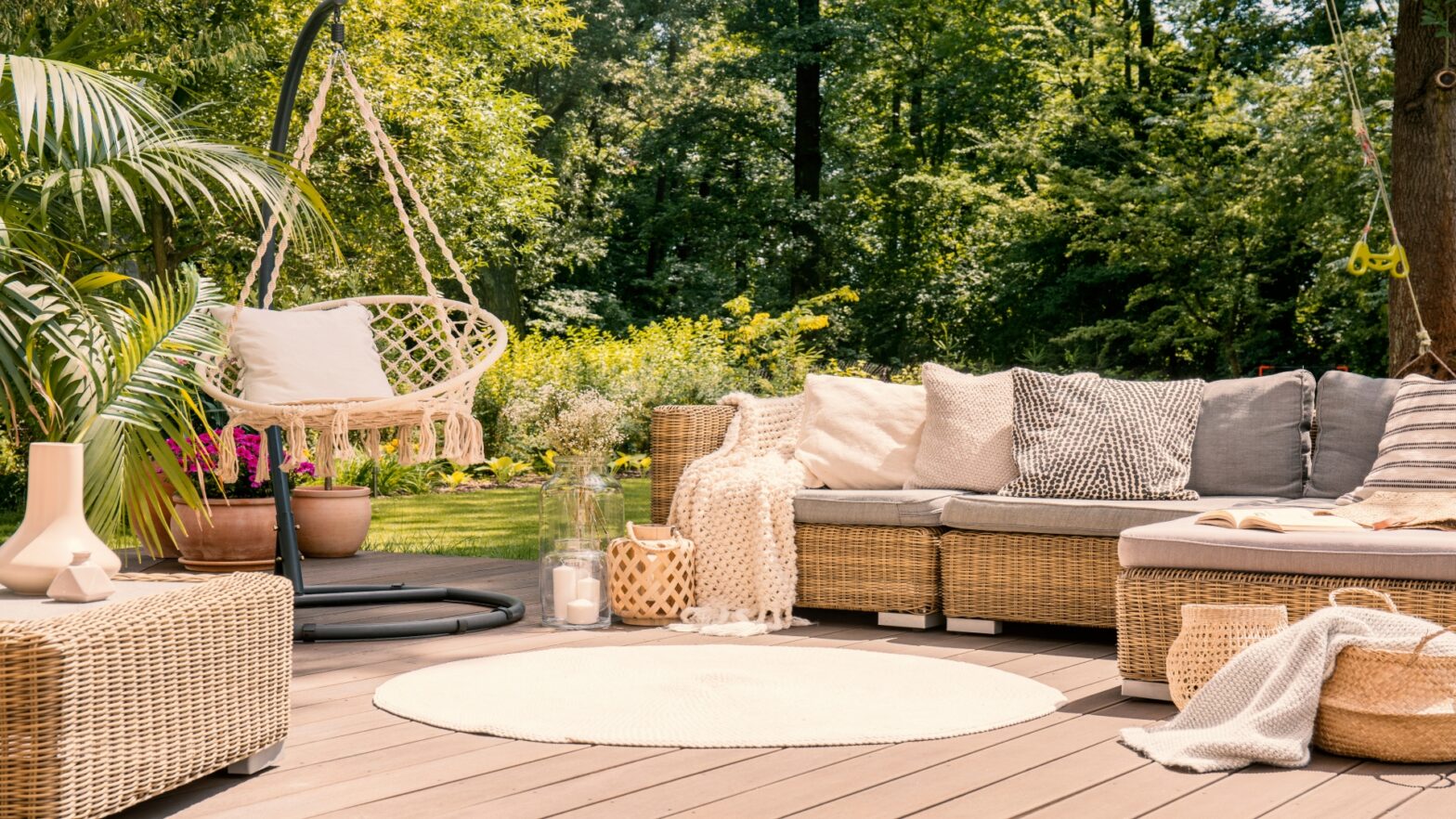
Current patio trends highlight growing interest in hybrid spaces that support comfort and utility. Screened-in porches meet this demand well, offering more openness than sunrooms while shielding occupants from heat, glare, and insects.
Designers often emphasise flow between the porch and interior. Aligning flooring styles, coordinating trims, or echoing design elements from adjacent rooms helps the space feel integrated and refined.
Long-Term Value: ROI and Lifestyle Enhancements
Screened-in porches add value on multiple levels. For homeowners in the Southeast, they offer a cost-effective way to expand usable space while improving the quality of everyday living.
From a resale standpoint, additional square footage—especially when it supports flexible use—can enhance appeal. Buyers often favor homes with livable outdoor spaces, and a well-designed porch is a standout selling point.
According to BUILD Magazine’s feature on home value upgrades, additions that reflect modern living habits while complementing a home’s design are among the most effective ways to boost long-term property value.
A Timeless Investment in Livable Luxury
In the Southeast, screened-in porches are more than popular—they’re practical, climate-conscious, and architecturally consistent with the region’s lifestyle. For homeowners looking to improve both day-to-day comfort and long-term home value, they offer a smart, versatile solution.
When thoughtfully designed and professionally built, these porches become lasting assets. They expand how a home is used, add character, and provide a functional retreat usable nearly year-round. As design trends continue to favor flexibility and connection to nature, the screened-in porch remains one of the most valuable additions a home can have.