




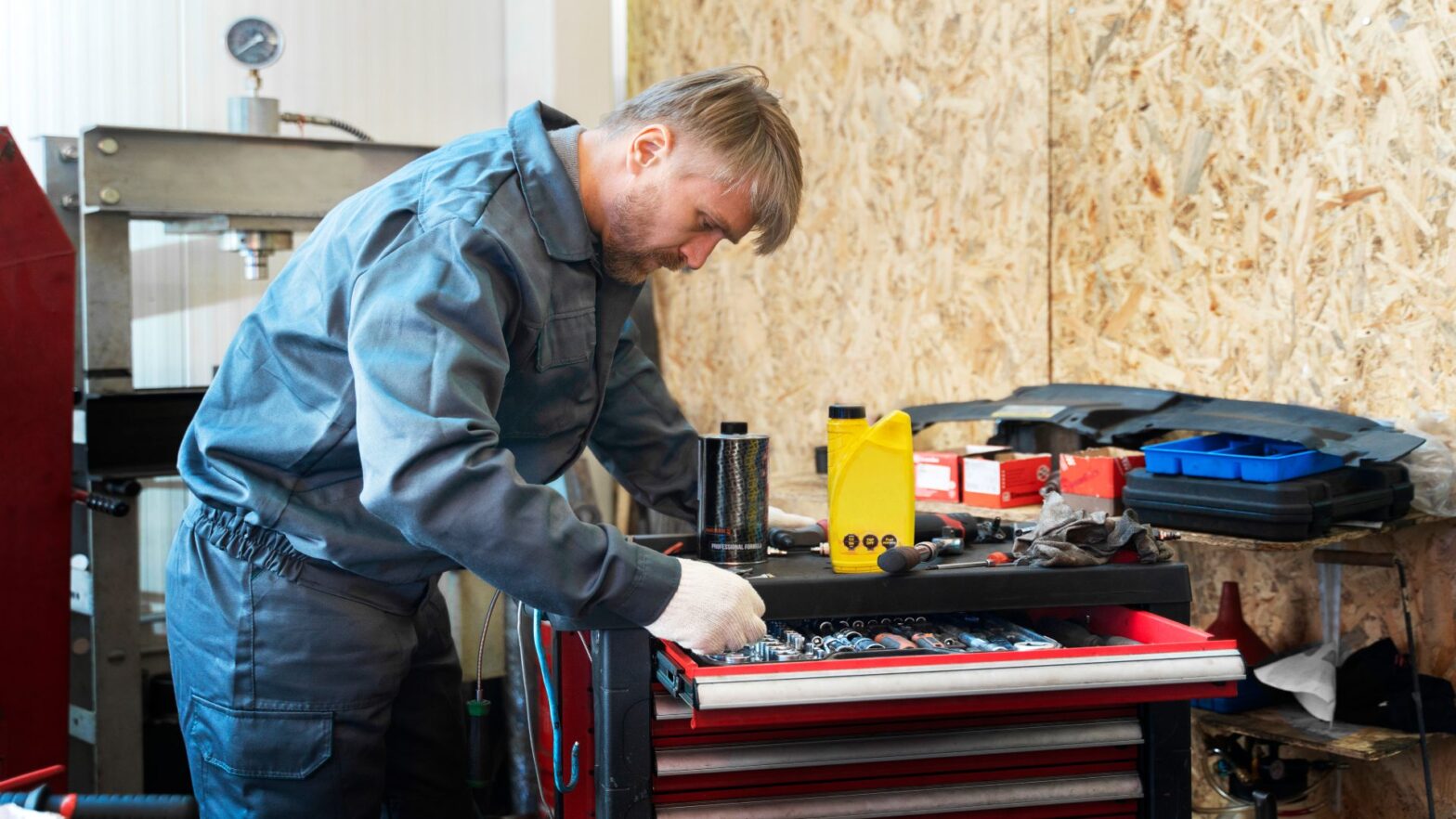











For property maintenance teams, having the right equipment is about far more than convenience – it directly affects efficiency, safety and the quality of work delivered. Tool chests play a central role in keeping tools organised, protected and easily accessible, whether teams are based in a workshop, moving between sites, or working within large residential or commercial properties. Choosing the right solution can save time, reduce frustration and help teams present a more professional image. This article explores what to look for when selecting professional tool chests for property maintenance teams, focusing on practicality, durability and long-term value.
Durability, Build Quality and Security
Property maintenance work is demanding. Tools are used daily, transported frequently and often exposed to dust, moisture and heavy handling. For this reason, durability should be one of the first considerations when choosing a professional tool chest.
High-quality tool chests are typically made from heavy-gauge steel or reinforced aluminium, offering excellent resistance to dents, warping and corrosion. Powder-coated finishes are particularly beneficial, as they help protect against rust while also providing a clean, professional appearance. Weld quality, drawer runners and overall construction should feel solid, with no flexing or rattling when drawers are opened and closed.
Security is another critical factor, especially for teams working across multiple sites or shared facilities. A robust locking system helps protect valuable tools from theft or unauthorised use. Central locking mechanisms, where one lock secures all drawers, are common and practical. Some higher-end models also offer individual drawer locks or compatibility with padlocks for additional peace of mind.
It is also worth considering load capacity. Professional maintenance teams often carry a wide range of tools, from hand tools to heavier power tools and fixings. Drawers should be rated to handle substantial weight without sagging, and smooth ball-bearing slides are essential for safe, easy access even when fully loaded. Investing in a well-built tool chest reduces the risk of damage to tools and minimises downtime caused by equipment failure.
Organisation, Accessibility and Mobility
Efficiency is key in property maintenance, where time is often limited and tasks vary from day to day. A well-designed tool chest can significantly improve workflow by keeping everything organised and easy to find.
Drawer layout and size variety are important considerations. Shallow drawers are ideal for hand tools, fixings and small components, while deeper drawers can accommodate power tools, testing equipment or plumbing and electrical supplies. Modular or configurable interiors allow teams to adapt storage as their needs change, making the tool chest a long-term asset rather than a short-term solution.
Clear labelling and drawer liners can further enhance organisation. Non-slip liners help prevent tools from shifting during movement, reducing wear and tear while keeping drawers tidy. Some professional tool chests also include side panels or pegboards for frequently used items, allowing quick access without opening drawers repeatedly.
Mobility is another major factor, particularly for larger sites or facilities with multiple buildings. Mobile tool chests fitted with high-quality castors enable teams to move tools easily between work areas. Look for castors that are rated for heavy loads and include reliable brakes to keep the chest securely in place during use. For teams that travel between locations, compatibility with vans or service vehicles is also worth considering, ensuring the tool chest can be transported safely and efficiently.
By improving organisation and accessibility, the right tool chest helps maintenance professionals work more smoothly, reduce time spent searching for tools and maintain a calmer, more productive working environment.
Long-Term Value, Professional Image and Team Wellbeing
While initial cost is always a consideration, professional tool chests should be viewed as a long-term investment rather than a short-term expense. Cheaper options may appear attractive at first, but they often lack the durability and functionality required for daily professional use. Over time, repairs, replacements and lost productivity can quickly outweigh any initial savings.
A high-quality tool chest contributes to a more professional image, which is particularly important for property maintenance teams working in occupied buildings, commercial premises or high-end residential settings. A tidy, well-organised storage solution reflects positively on the team and the organisation as a whole, helping to build trust with clients, tenants and stakeholders.
There are also important wellbeing benefits to consider. Poorly designed storage can lead to awkward lifting, overreaching or cluttered workspaces, increasing the risk of injury. Tool chests with smooth drawers, sensible heights and clear layouts support better ergonomics and safer working practices. When tools are easy to access and return, teams are more likely to keep their work areas organised, reducing stress and fatigue over the course of the day.
Finally, consider after-sales support and warranty. Reputable manufacturers often offer extended warranties, spare parts availability and customer support, all of which add to the overall value of the purchase. Knowing that a tool chest can be maintained and repaired if needed provides confidence and helps extend its working life.