













A Durable Choice for Harsh Climates
Central Minnesota’s climate tests the mettle of every building material. Those seasonal extremes accelerate wear, raise maintenance costs and create an urgent need for durable, low-maintenance roofing choices. Metal roofing is the ideal system for addressing these exact pressures.
Its smooth surface sheds snow in the winter and reduces the risk of corrosion by reflecting heat in the summer. It is no wonder property owners are turning to metal solutions — this engineered steel can mean fewer repairs and a longer service life.
Why Minnesota’s Climate Demands a Durable Roofing Solution
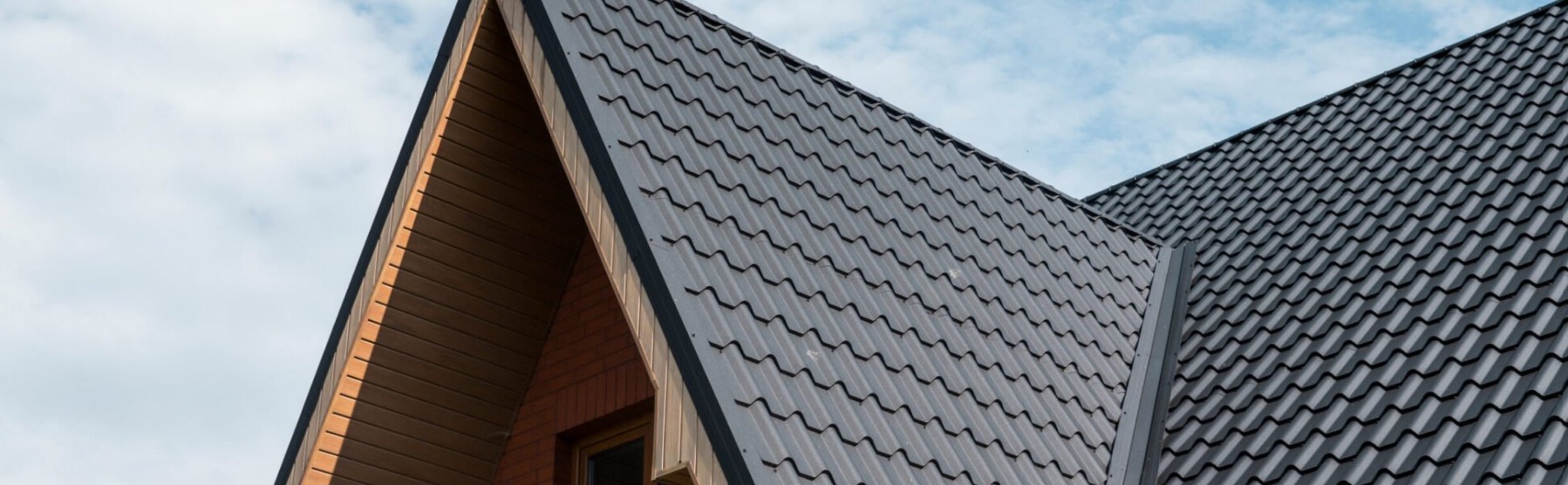
Image: Heritage Exteriors
Central Minnesota’s weather presents several specific stresses that accelerate roof wear and drive design choices:
- Freeze-thaw cycles: Central Minnesota experiences multiple freeze-thaw cycles annually, which is where temperatures alternate above and below freezing and cause water to expand and contract. Repeated cycles accelerate cracking, sealant failure and granule loss and increase the risk of leaks.
- Heavy snowfall and sustained snow loads: This region experiences a prolonged snow season, lasting from late fall to spring. Heavy snow places a significant static load on roof structures and increases the chance of structural stress on undersized rafters.
- Ice dams: These form when attic heat melts rooftop snow and the meltwater refreezes at eaves. Ice dams drive water under shingles, causing interior water damage if not prevented.
- Severe hail and impact storms: Minnesota regularly records damaging hail events, which can puncture many roofing components.
- High winds: Thunderstorms can produce extreme gusts capable of tearing off loosely attached shingles.
- UV exposure: Long seasons, temperature swings and UV radiation break down some roofing materials over time, accelerating aging, color fade and coating degradation.
Taken together, these stresses reduce the service life of some conventional roofing systems and increase the frequency of failures. By decreasing the lifespan of these materials, the recurrence of replacement increases, with homeowners paying an average of $9,988 in cities like Minneapolis.
The Metal Roofing Materials Built for Northern Performance
Metal roofing materials commonly make up the majority of the components below:
- Steel profiles: Standing seam panels are the go-to choice for snow shedding and watertight seams, while corrugated ones are well-suited for utility buildings. Stone-coated steel also mimics shingles while adding impact resistance.
- Steel gauge: For heavier snow loads, heavier gauges are preferred. For instance, the Minnesota State Building Code requires a minimum 26-gauge sheet for long-span residential and commercial roofs.
- Coatings and finishes: Galvalume base metal provides corrosion resistance. Meanwhile, polyvinylidene fluoride finishes and silicone-modified polyesters offer long-term color retention and weather resistance.
- Copper: Copper panels and flashings offer exceptional longevity and a distinctive aesthetic but carry a substantially higher upfront cost.
Material choice should respond to the property’s microclimate and exposure. Lake-region homes that see repeated freeze-thaw and moisture intrusion benefit from tight standing seams and enhanced underlayment. Prairie properties exposed to sustained gusts should prioritize wind-rated panel profiles and mechanical fastening systems to ensure optimal protection.
Finally, products should come with recognized standards and ratings and clear finish and substrate warranty terms. These certifications and documented test results help align product selection with real northern-climate performance expectations.
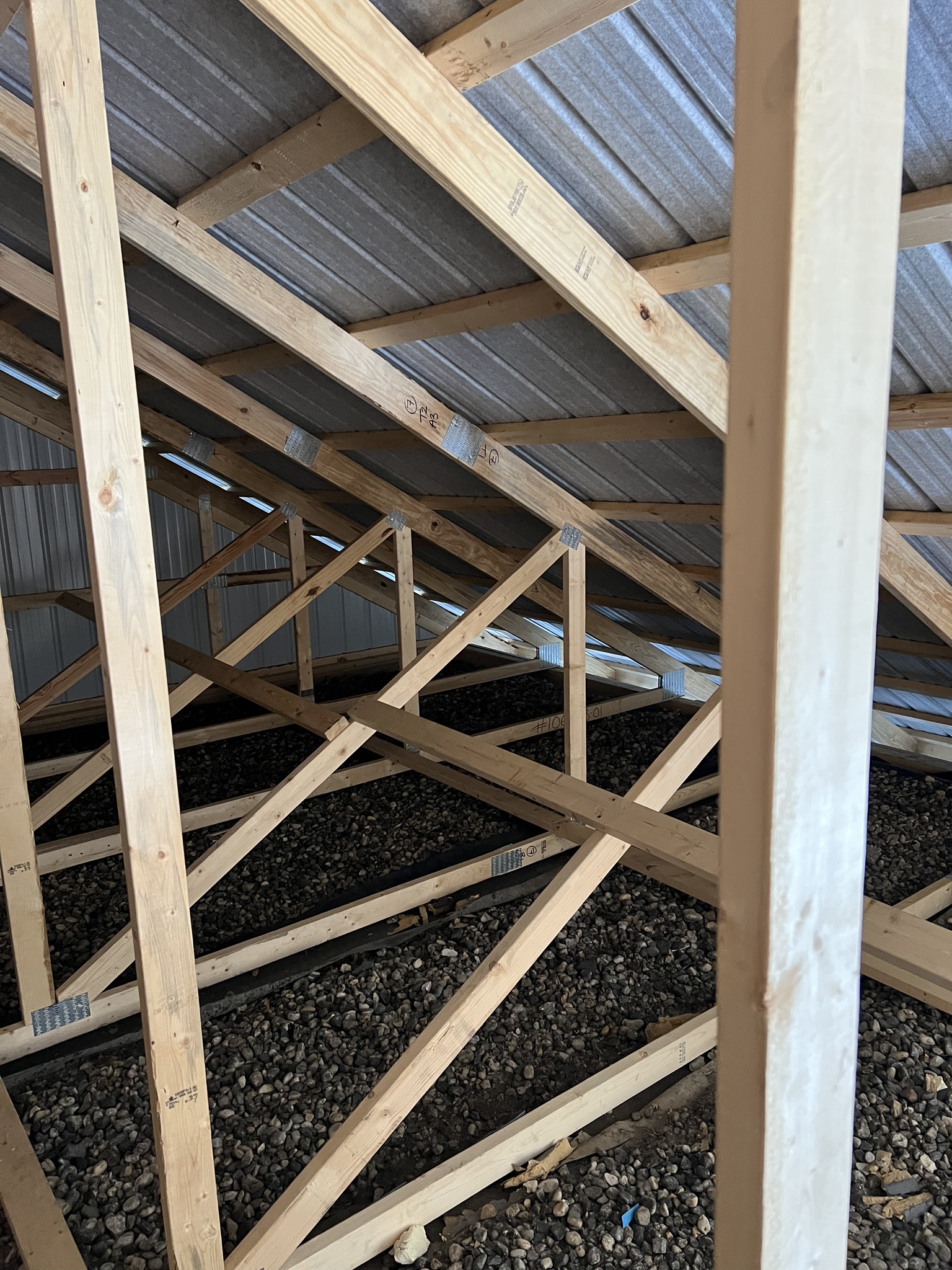
Image: Heritage Exteriors
The Technical Advantages of Steel Roofing in a Cold Climate
Steel roofing delivers several engineering advantages. Smooth standing-seam profiles shed snow more readily than textured shingles, reducing sustained loads and the likelihood of roof collapse. Paired with properly specified underlayment, ventilation and snow-retention devices, they also cut the risk of damaging ice dams.
Steel’s substrate and coating resist corrosion and retain color and gloss far longer than many organic coverings. When specified to the correct gauge and fastening method, steel offers high wind uplift and impact performance.
Beyond strength, these roofs offer energy savings in cold and hot climates, thereby contributing to building performance. For instance, reflective coatings reduce summer heat gain, while the roof assembly’s thermal behavior helps maintain attic temperatures in winter. Properly detailed steel systems can also reduce noise from heavy rain or hail when combined with sound-dampening underlayments and solid decking, making them resilient and comfortable for occupants.
Installation Considerations for Central Minnesota
Proper installation is as important as product choice when specifying metal roofing for Central Minnesota’s extremes:
- Underlayment and ice-and-water shield must be selected for low-temperature flexibility and long-term adhesion to resist freeze-thaw movement and ice-dam pressure.
- Fasteners, clips and sealants should accommodate thermal expansion and contraction.
- Specify systems tested to American Society for Testing and Materials and Underwriters Laboratories standards and rated for local wind and impact loads.
- Ventilation and attic insulation must be balanced to prevent warm air from melting snow on the roof and refreezing at the eaves.
- Integrate engineered snow-retention devices and correctly detailed flashings to manage drifting and runoff.
- Schedule replacement or retrofit work during milder months when possible, and avoid rushed installs after storm damage.
- Use contractors with documented northern-climate experience, as fastening, substrates and drainage are common failure points when crews lack cold-weather expertise.
Is Metal Roofing Worth the Cost in Minnesota?
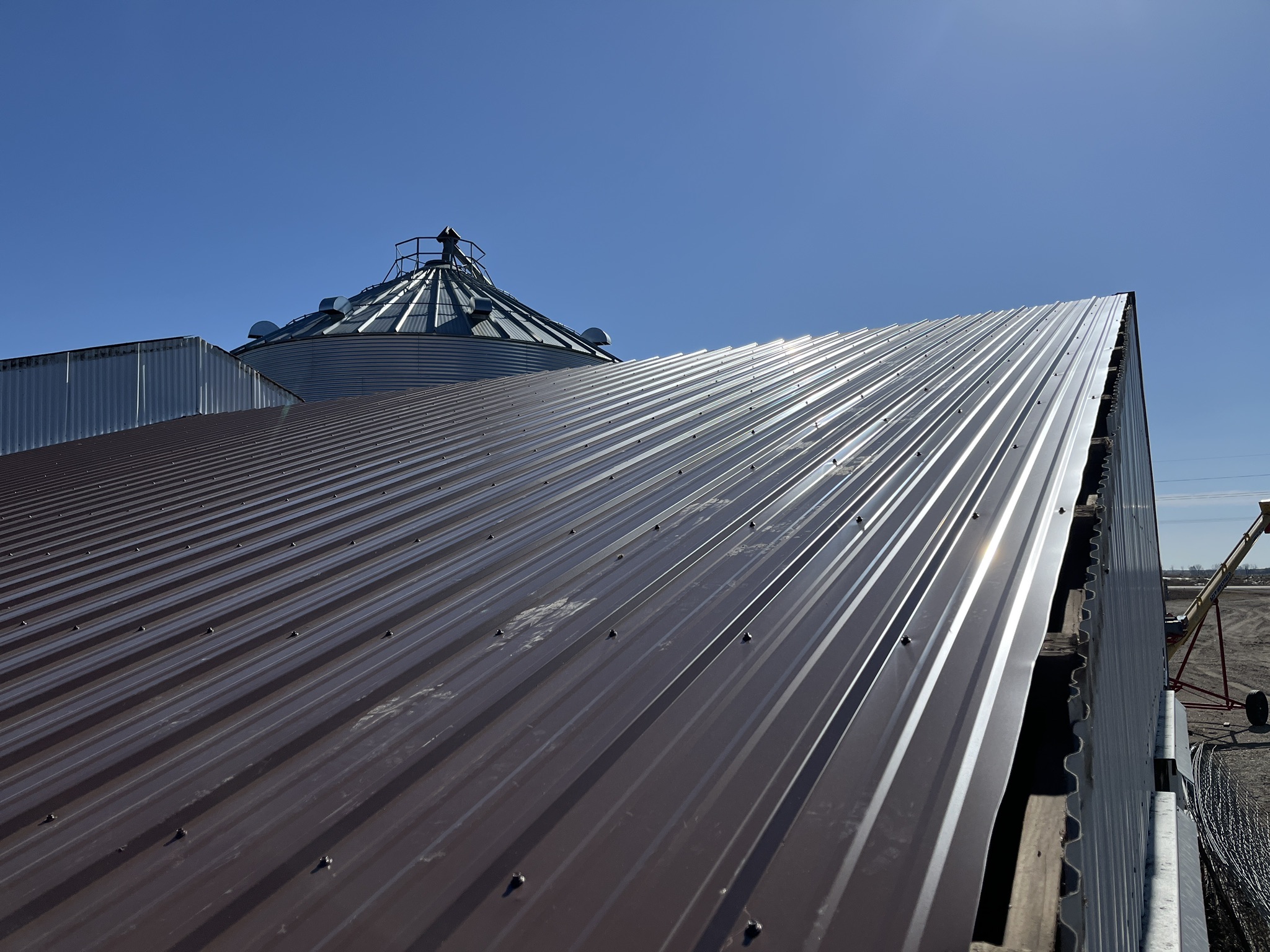
Image: Heritage Exteriors
Most property owners in Minnesota wonder if metal roofing is worth the cost. For many, the short answer is yes, but it depends on the priorities.
High-quality steel roofing typically costs more than conventional asphalt shingles. On average, the cost ranges from $14 to $40 per square foot, which translates to a total of $23,000 to $68,000 for a 1,700-square-foot home.
While the expenses run high, it also delivers a much longer shelf life. A properly specified steel roof can last around 40 years or more, meaning it may outlast two to three asphalt reroofs. When that longevity combines with lower routine maintenance, better resistance to damage and potential insurance discounts, the life cycle cost picture frequently favors metal.
There are also energy considerations. Metal roofing further improves the return on investment for Minnesota residents because reflective coatings reduce summer heat. When you add insulation into the mix, you can lower seasonal heating and cooling loads.
Many individuals view metal roofing as a desirable alternative to asphalt shingles, but it is not the right choice for every house or budget. Roof slope, architectural style and local installation costs matter. So does contractor experience and the exact steel profile, gauge, and finish selected.
The Top Metal Roof Contractors in Central Minnesota
To find a trusted installer, the companies below were chosen using a rubric centered on cold-climate performance and real-world outcomes. Selection prioritized contractors who demonstrate documented experience installing steel roofing in northern climates, technical competence with standing-seam and heavy-gauge systems, and a track record of the following requirements:
- Regional experience
- Material and system expertise
- Technical certifications and testing
- Installation practices
- Insurance, licensing and warranty transparency
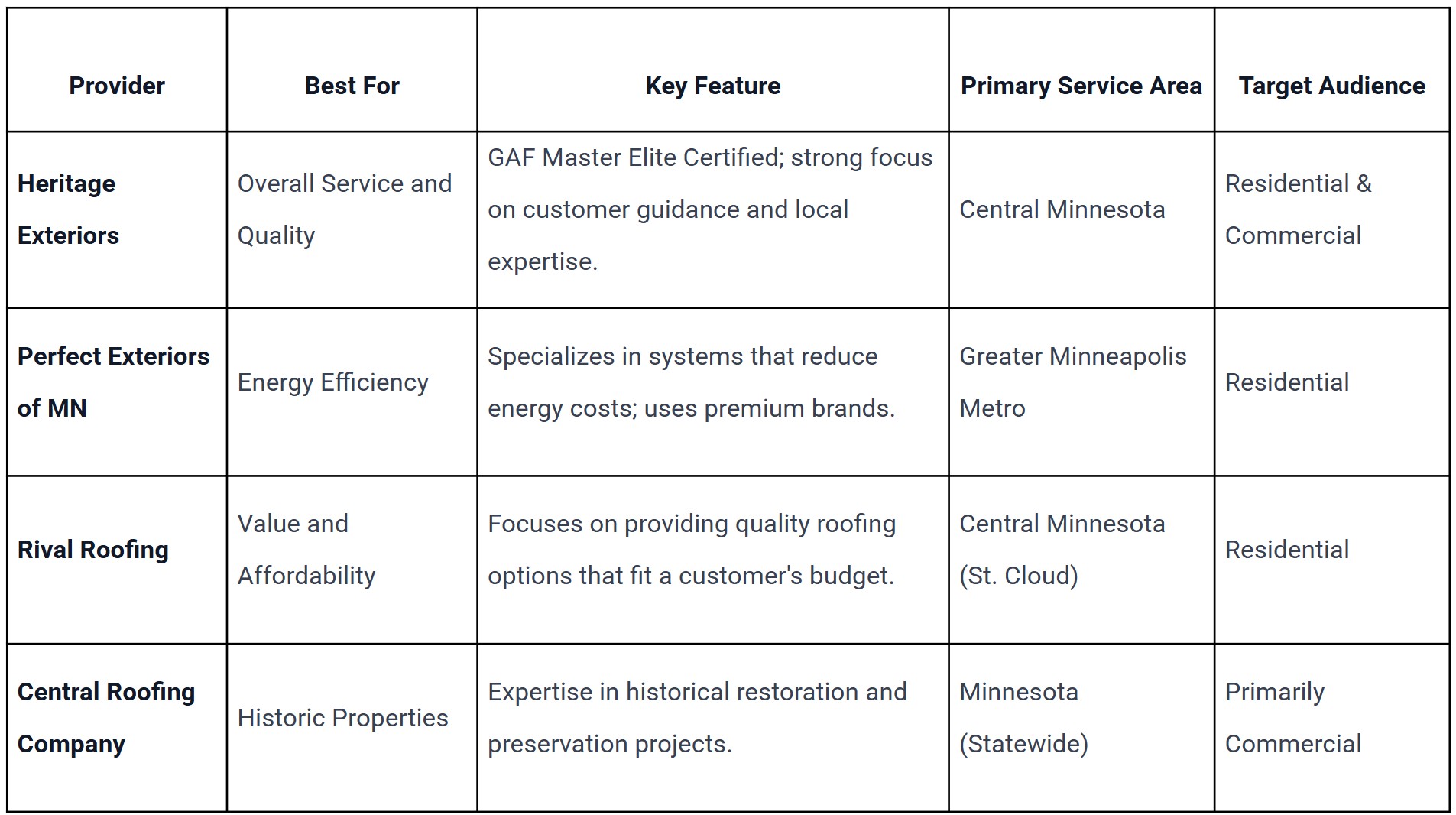
Table of Comparison for Metal Roofers in Central Minnesota
1. Best Overall: Heritage Exteriors
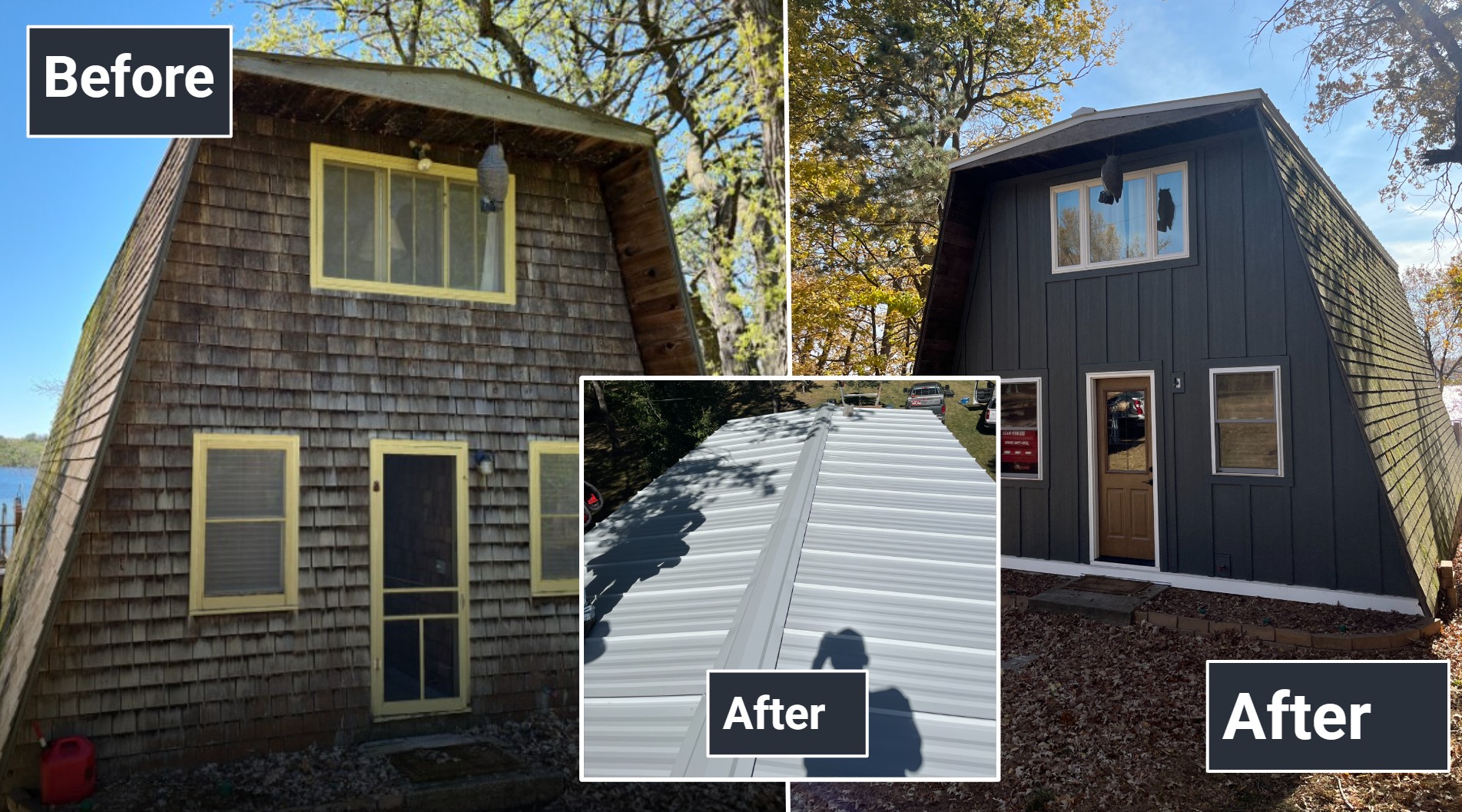
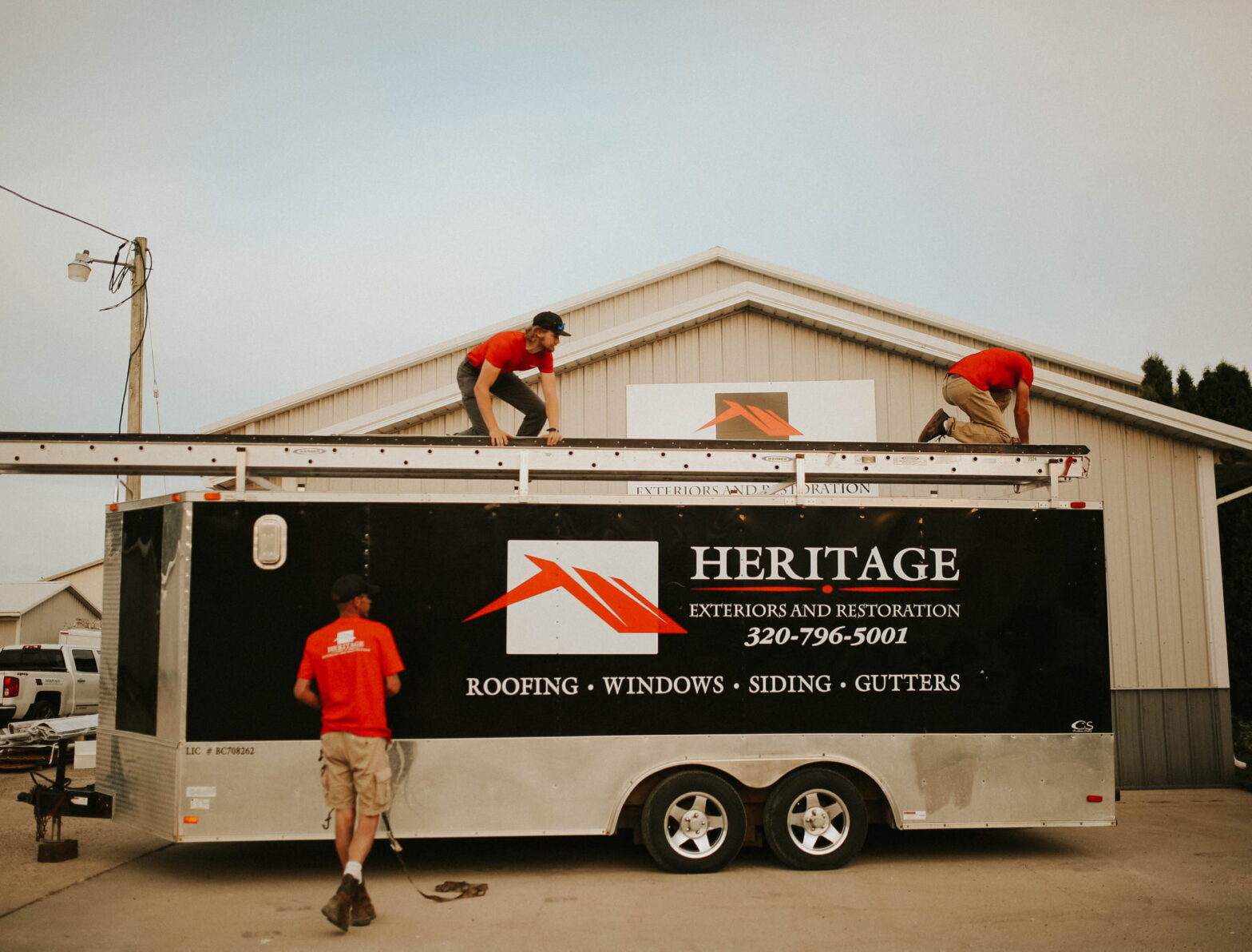
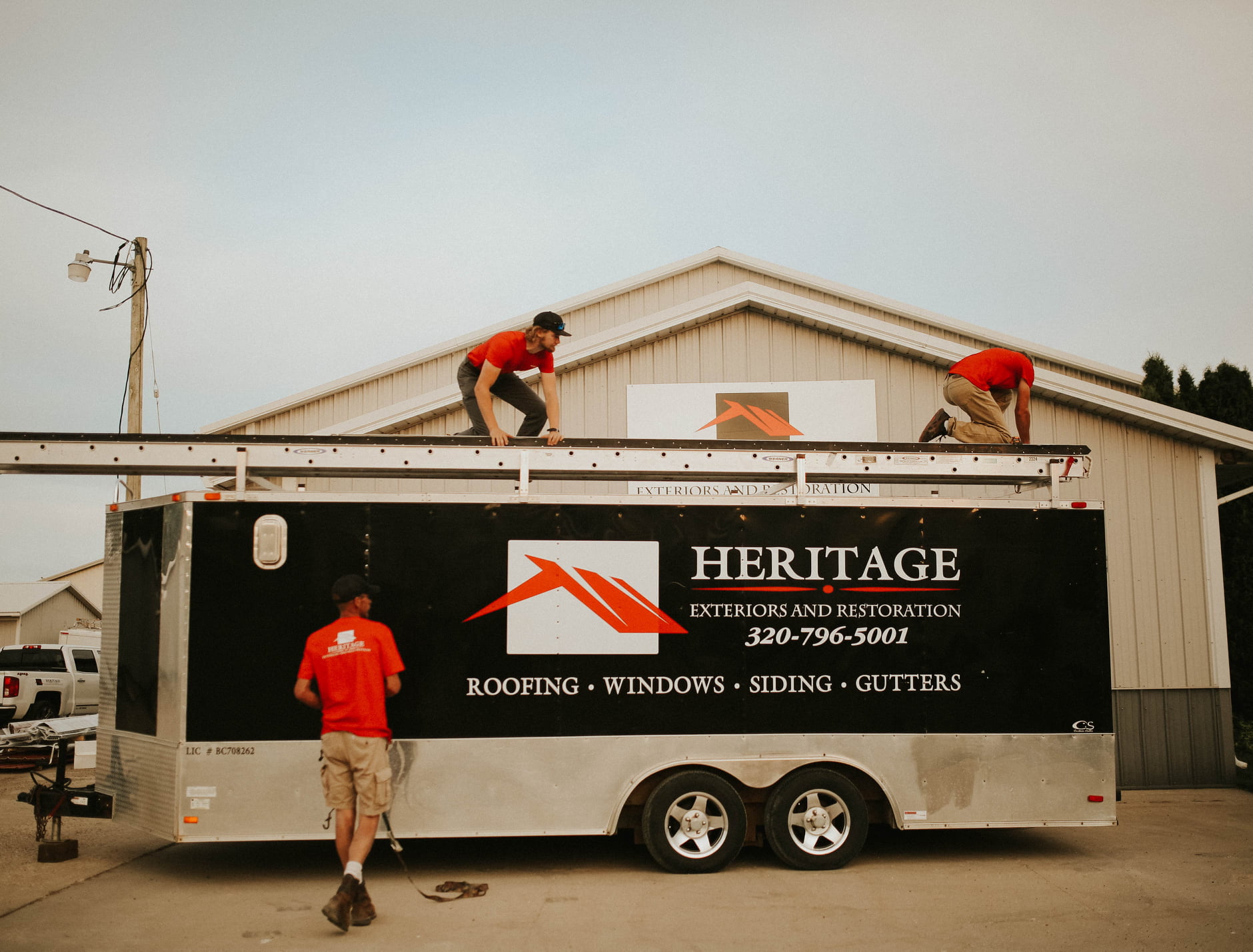
Heritage Exteriors is a Central Minnesota exterior contractor that installs and services residential and light commercial roofing, with durable steel roofing solutions. It is licensed and insured, and its crews work to local code and manufacturer requirements, accounting for region-specific concerns like snow loads and ice-dam prevention. Heritage also offers manufacturer and quality warranty options on its site.
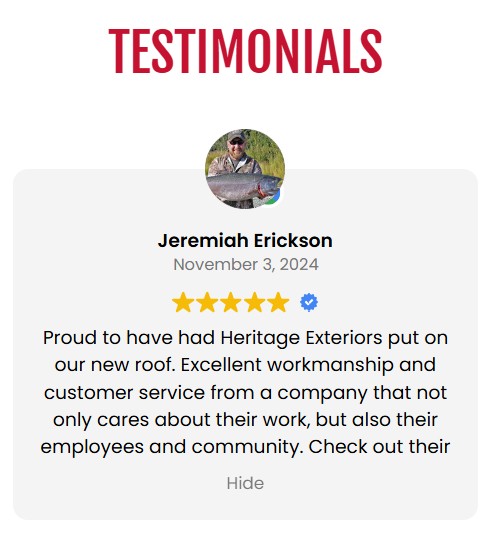
As a GAF Master Elite Certified contractor, it can provide roofs beautifully tailored to meet client needs. Customers rave about how professional the service is and the work its crew completes. They also consistently highlight the team’s responsiveness after storm events and attention to detail throughout installation.
Pros:
- Local experience: Its focus on Central Minnesota projects means crews are familiar with local snow-load calculations, ice-dam detailing and seasonal scheduling constraints.
- Licensed and insured: Formal licensing and insurance reduce project risk and support permit and inspection processes.
- Focus on durable systems: Services include steel and standing seam options and appropriate underlayment and ventilation details that address freeze-thaw and snow-shedding needs.
Cons:
- Not a budget option: Specialty steel systems and heavy-gauge work generally carry higher upfront costs, so homeowners should expect higher initial pricing due to quality.
- Niche specialties may be limited: If a project requires historic restoration, Heritage may subcontract or defer to niche preservation specialists and will be upfront about it.
2. Best for Energy Efficiency: Perfect Exteriors of Minnesota
Perfect Exteriors of Minnesota markets itself around energy-efficient exterior systems, including steel roof assemblies designed to improve year-round thermal performance. The business works with premium finishes and reflective coatings, and offers options for customers who prioritize lower utility bills.
Clients frequently praise Perfect Exteriors for professional, tidy installations and excellent communication throughout projects. Homeowners prioritizing energy performance also report satisfaction with its focus on reflective coatings and high-performance assemblies.
Pros:
- Premium product selection: Perfect Exteriors partners with a select group of manufacturers to offer high-performance finishes.
- Useful for owners prioritizing utility savings: The approach is a good fit for homeowners who want to factor energy savings into a life-cycle cost calculation.
- Full-assembly thinking: It often pairs roofing with compatible insulation and ventilation recommendations rather than treating the roof as an isolated product.
Cons:
- Service area concentration: Its focus is primarily on the Twin Cities metropolitan area and its nearby suburbs, which may limit responsiveness for some customers.
- May require confirmation on cold-climate specifics: Owners should verify local snow-load experience, underlayment choices and ice-dam detailing for true northern performance.
3. Best Value Option: Rival Roofing
Rival Roofing is a value-focused roofing contractor serving Central Minnesota and surrounding markets, offering a mix of metal and conventional roofing services tailored to a range of budgets. The company ensures efficient installs and delivers rapid storm-response services for hail and wind damage.
Customers testify to Rival Roofing’s fast, professional service and straightforward communication. Homeowners often call out its timely repairs, clear timelines and crews that leave jobsites clean. It is a top option for owners who want dependable craft without a premium price tag.
Pros:
- Good balance of quality and cost: Competitive pricing and multiple metal-style options make Rival a practical choice for budget-minded owners seeking steel performance.
- Value-oriented: It offers assemblies that can include appropriate underlayment and flashings while keeping sticker shock lower than some premium specialists.
- Accessible for common residential projects: It is suited for residential replacements and smaller commercial roofs.
Cons:
- Limited premium offerings: Rival may have fewer heavy-gauge or high-end finish options, which may not render well for harsh climates.
- Confirm warranty and certification details: Buyers should verify specific manufacturer certifications, finish warranties and any certified-installer status for the chosen product before signing a contract.
4. Best for Historic Properties: Central Roofing Company
Central Roofing Company specializes in complex and historic roof restorations, boasting a strong portfolio of projects that require period-appropriate materials and custom metalwork. It implements careful substrate preparation, custom flashing and fabricated metal details to a building’s original character while delivering modern weather performance.
The enterprise frequently handles larger commercial, institutional and preservation projects. Typically, these projects call for engineering coordination and bespoke fabrication rather than off-the-shelf roofing kits. Central roofing is licensed and insured, and outlines manufacturer and craft warranty options for its installations.
Pros:
- Historic restoration expertise: It has experience in sourcing and fabricating aging architectural elements.
- Custom metal capabilities: There are options for in-house or partnered fabrication for copper, specialty profiles and one-off flashings.
- Technical and engineering focus: The contractor has experience in managing large-scale projects.
Cons:
- Less focused on small residential replacements: It is best suited to larger, complex jobs.
- Higher costs and longer lead times: The use of custom fabrication and preservation-grade materials increases the price and adds to scheduling complexity.
Maintenance Requirements for Metal Roofing in Minnesota
Metal roofs reduce routine maintenance, but seasonal care still helps preserve performance. After heavy snowstorms, follow safe snow-removal practices and avoid attempting large clearances that risk panel damage. In the spring, inspect fasteners, sealants, flashings and gutters for ice damage, and remove debris that traps moisture. In the fall, clear leaves and confirm roof drainage and attic ventilation to limit ice-dam formation.
Long-term care includes periodic washing, touch-ups of scratched coatings, and a professional inspection every few years or after major storms. Seek immediate repairs for loose seams or visible corrosion. These are warning signs that warrant prompt attention from a contractor.
Environmental and Sustainability Considerations
Metal roofing can play a positive role in sustainable building strategies. Steel panels often contain high recycled content and are readily recyclable at the end of their life, lowering their embodied carbon.
Reflective coatings reduce summer heat gain, and steel assemblies pair well with rooftop photovoltaics and snow-retention systems. Properly cared-for, long-lived metal roofs also minimize waste associated with life cycle replacement. Owners should check eligibility for common green certifications and local incentive programs, and consider water-harvesting compatibility when planning gutters and drainage.
Making a Long-Term Investment In Your Property’s Protection
Metal roofing is a solid option for homeowners who value durable, low-maintenance solutions while withstanding Central Minnesota’s demanding climate. However, success depends less on the material than on the selected features, specifications and professional installation. For owners weighing the cost versus long-term performance, a life cycle comparison can demonstrate that metal is a strong investment for properties intended to last.