













Industrial Construction in 2025: What Has Changed Over the Years?
Nowadays, the industrial construction sector is not the same as it was a decade ago. Supply chains have evolved, client expectations have shifted, and digital systems now influence every stage of a build. The projects are larger, timelines are tighter, and compliance demands are far more complex.
To keep pace, industrial contractors such as PLC Construction have evolved by adopting integrated planning, implementing more innovative technologies, and forming highly specialized crews. Their work reflects not just technical progress, but a broader shift in how industrial facilities are conceived, designed, and delivered in the modern economic and environmental climate.
Project Planning Is Now Digital, Collaborative, and Predictive
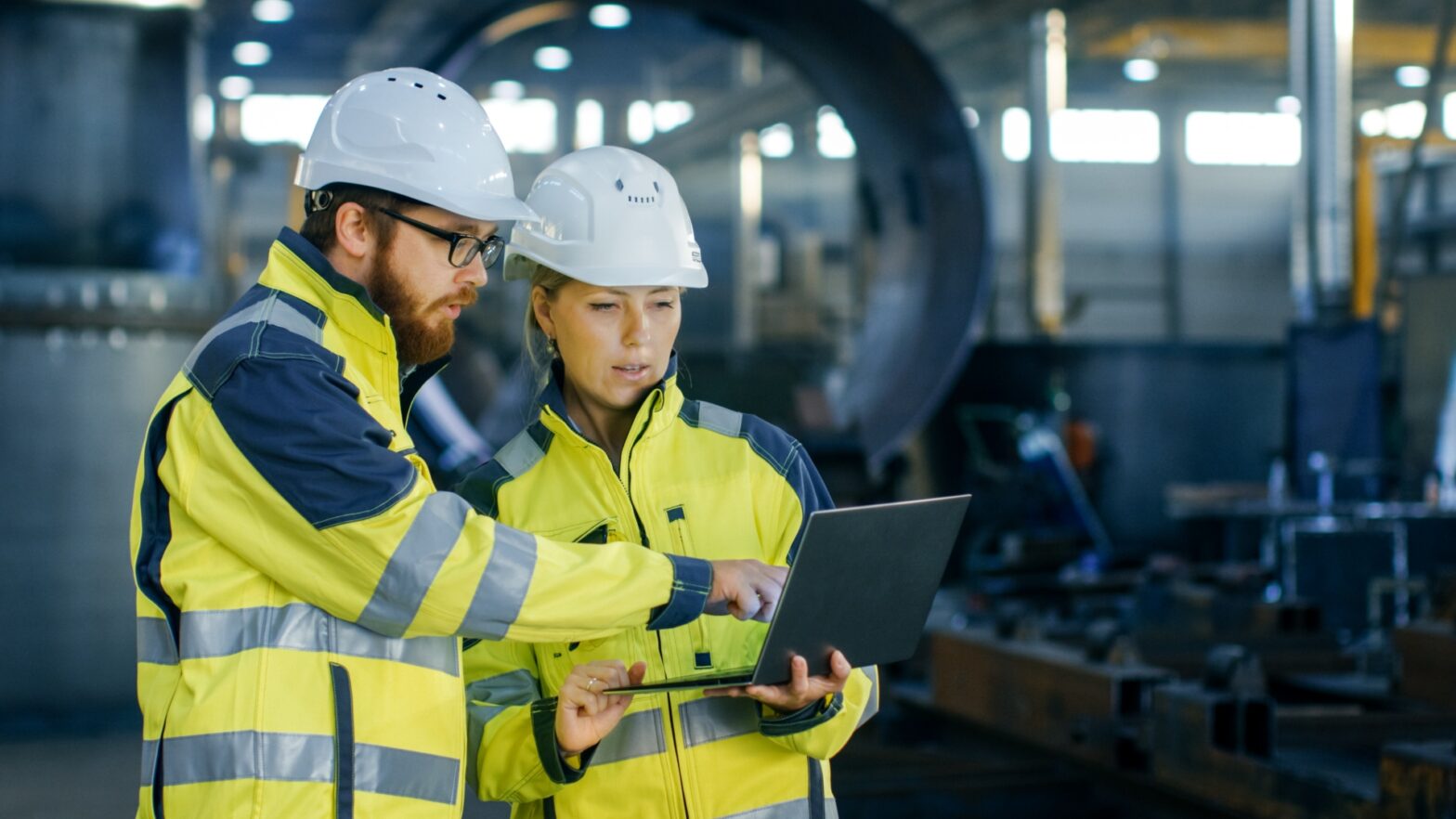
Modern project planning has moved far beyond the spreadsheets and siloed tools of the past. Today’s industrial construction firms rely on cloud-based platforms that enable simultaneous collaboration between designers, engineers, procurement teams, and contractors.
Integrated planning platforms use AI-powered forecasting, 3D visualization, and scheduling algorithms to flag risks before ground is even broken. This real-time coordination leads to faster permitting, fewer delays, and less rework. The most successful contractors have embraced these digital ecosystems, reducing project lead times and increasing transparency for stakeholders.
Clients now expect this level of visibility. Owners and developers are actively engaged throughout the lifecycle of a project, from concept to closeout, monitoring progress and cost data in real time from anywhere in the world.
Modular and Prefabricated Construction Has Gone Mainstream
What was once an experimental niche is now a standard part of industrial construction. In 2025, modular construction has matured into a reliable, scalable solution for many facility types.
Contractors are assembling MEP racks, pump skids, wall panels, and even entire control rooms off-site in controlled environments. These modules are then delivered just in time and installed with minimal on-site labor. The quality control is superior, the timeline is compressed, and the risk of weather delays is nearly eliminated.
This approach is particularly valuable for projects in remote or regulated locations, such as pharmaceutical cleanrooms, data centers, and energy production facilities, where safety and environmental control are critical.
Safety and Compliance Standards Are Higher and More Data-Driven
Industrial safety expectations are no longer about checking boxes. Compliance in 2025 is proactive, predictive, and integrated into every piece of construction planning and execution.
Smart wearables track worker health metrics and location in real time, triggering alerts when fatigue, heat stress, or unauthorized zone access are detected. QR-coded tools and components ensure proper use and traceability. Environmental sensors monitor dust, noise, and air quality across large sites.
Regulatory inspections are now digital-first. Field data collected via mobile apps is tied directly to compliance reporting platforms. This minimizes paperwork, improves audit readiness, and ensures that contractors maintain safety standards across multiple job sites simultaneously.
Talent Shortages Have Redefined Workforce Strategies
Finding qualified workers remains one of the biggest challenges in industrial construction. Contractors in 2025 have responded by overhauling their recruitment, training, and retention processes.
Apprenticeship programs are more aggressive, often starting partnerships with local colleges and vocational programs years in advance. Some firms have adopted digital simulation tools and VR-based safety training to upskill workers quickly and reduce incident rates.
Diversity and inclusion programs are now not just social goals but core business strategies. As the talent pool widens, contractors benefit from new ideas, better retention, and broader community support.
Many companies are also cross-training their teams across multiple disciplines to increase on-site flexibility and reduce the impact of role-specific shortages.
Client Demands Have Become More Sophisticated
Today’s industrial facility owners are far more informed, selective, and results-driven. They no longer choose contractors solely based on cost or timeline. Instead, they seek partners who bring long-term value, innovation, and resilience to their projects.
Clients expect transparent billing, milestone-based progress tracking, and post-construction analytics on performance and maintenance efficiency. Facility uptime, energy usage, and operational readiness now factor into how success is measured.
This has led to more integrated delivery models such as design-build, EPC, and IPD, where collaboration replaces the adversarial contractor-client relationships of the past. Contractors that offer lifecycle services, including facility commissioning and ongoing asset management, are winning more bids and deeper partnerships.