





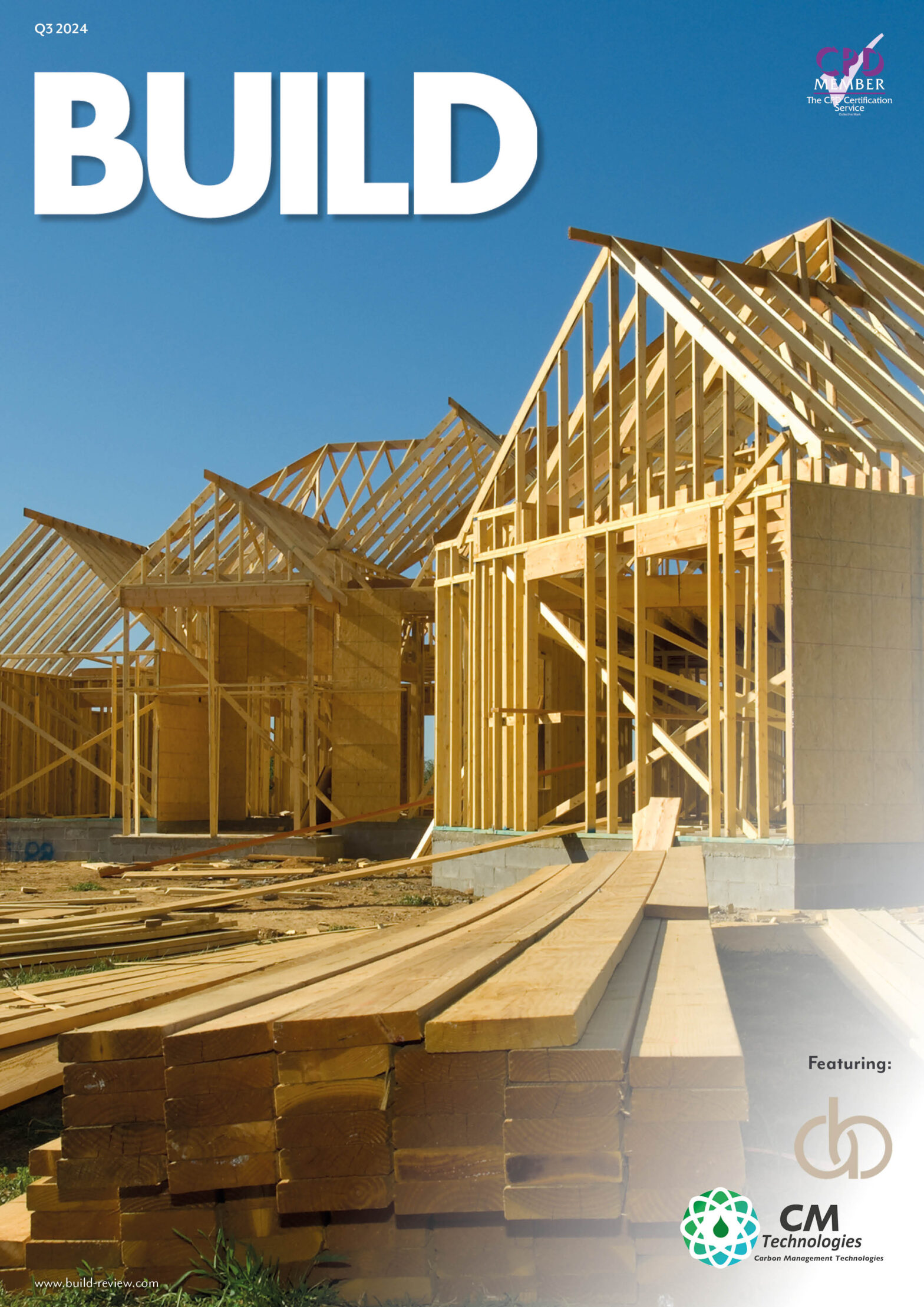
















Mortgage financing enables property acquisition without complete initial funding.This secured loan utilizes purchased property as collateral, permitting the lender to seize the property following payment default. Here is how it works: you apply for a mortgage through financial institutions. Lenders evaluate creditworthiness, income verification, and economic background. This determines approval status and interest rates.
Following approval, borrowers commit to repayment over predetermined periods. These are typically 15 to 30 years, with interest. Monthly payments partially reduce the principal balance and partially satisfy interest requirements. Through consistent payments, borrowers progressively satisfy obligations eventually achieving complete property ownership without encumbrances.
Don’t Ignore Upfront Costs
When selecting mortgage options, recognize that expenses extend beyond monthly payment obligations. Initial down payment and various closing expenses require consideration. Lenders evaluate financial stability before loan approval. Remember closing expenses accumulate, typically including property valuation fees, title and insurance costs, legal expenses, and broker commissions.
Depending on loan magnitude, credit status, and additional factors, potential seller contribution toward closing expenses may become available, or arrangements potentially incorporating closing costs into monthly mortgage payments without additional expense may be possible. Consequently, professional mortgage consultation remains essential when evaluating financing options and ensuring optimal arrangements.
Compare Loan Types
Fixed-rate mortgage instruments provide consistent monthly obligations throughout the repayment, simplifying financial planning processes. These arrangements demonstrate sustainability for extended residential occupancy or payment predictability preferences.
Adjustable-rate mortgages present reduced interest obligations with subsequent periodic adjustments reflecting market fluctuations. These instruments potentially benefit individuals anticipating property liquidation or refinancing within abbreviated timeframes, though they incorporate potential payment escalation risks.
Getting a conventional mortgage remains the predominant borrower selection. These loans adhere to government-sponsored entity guidelines, typically offering competitive rates for creditworthy borrowers with stable income. Minimum down payment requirements begin at 3%, though private mortgage insurance applies until 20 percent equity establishment.
Understand Your Budget Limits
Mortgage financing represents extended financial commitment that influences lifestyle and economic decisions. Comprehensive financial limitation assessment proves essential before mortgage selection.
Superior credit ratings potentially qualify borrowers for reduced interest rates and advantageous loan structure. Determine affordable monthly repayment capacity while incorporating maintenance expense allowances and property insurance costs within budget calculations. Seek mortgage options accommodating these supplementary expenses without compromising personal financial stability and wellbeing.
Understand The Interest Rate
Interest rate consideration represents the primary mortgage selection priority. Mortgage rates fluctuate daily rather than remaining constant. Some lenders offer interest rate stabilization options or annual adjustment provisions. Annual mortgage rate modification represents an Adjustable Rate Mortgage (ARM). Static rate mortgages constitute Fixed Rate Mortgages (FRM). When selecting ARM options, carefully reviewing a mortgage agreement with legal counsel determines potential rate increase parameters. Understanding market conditions triggering future interest rate fluctuations remains essential.
Consider Your Timeline
Property utilization intentions influence appropriate mortgage selection. Anticipated relocation within five to seven years potentially makes adjustable-rate mortgages with reduced initial rates economically advantageous. Extended ownership expectations favour fixed-rate financing providing payment consistency and protection against interest rate increases.
Consider equity development preferences; 15-year mortgages accelerate equity accumulation and reduce total interest expenses but require increased monthly obligations. Meanwhile, 30-year terms provide reduced monthly payments but generate increased lifetime costs.
Endnote
After comparing options, choose the mortgage that best fits your financial situation, risk tolerance, and homeownership goals. Don’t focus solely on the lowest payment or rate. Consider the total cost over time, your comfort level with payment changes, and how the loan fits into your broader financial plan.