





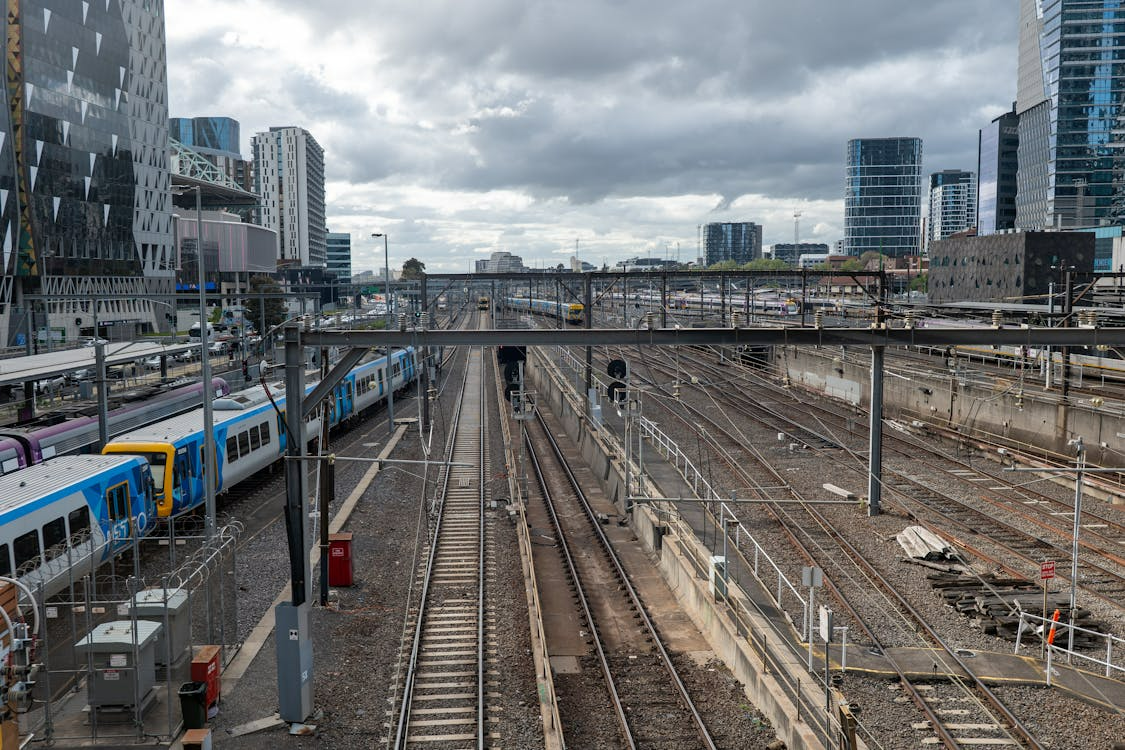











Ever noticed how some neighbourhoods just feel different? Streets flow smoothly, parks appear at perfect intervals, and everything seems thoughtfully placed. That’s not luck. Smart civil construction sits behind these well-designed spaces, quietly boosting property values while most people go about their days.
Civil construction shapes more than roads and sewers. These infrastructure decisions ripple through property markets, affecting home prices, neighbourhood appeal, and long-term investment returns.
Why Infrastructure Matters More Than You Think
Property value stems from multiple factors working together. Location tops most lists, but what makes any location desirable? Infrastructure quality plays a starring role. Roads that move traffic efficiently, drainage systems that prevent flooding, and utilities that arrive reliably all contribute to desirability.
Smart civil planning addresses these needs before problems surface. When contractors lay proper foundations for neighbourhoods, every property benefits. Homes sit on stable ground, streets remain passable during storms, and services reach each address without interruption.
Quality infrastructure work reduces maintenance headaches down the line. Properties connected to well-designed systems face fewer costly repairs. Homes in areas with superior civil construction command premium prices because future owners anticipate fewer infrastructure surprises.
Design Choices That Build Long-Term Value
Civil construction companies approach each project with long-term thinking. Professional firms like Solve Civil understand this balance, delivering infrastructure that serves communities reliably over decades.
Several design elements contribute directly to property values:
Effective drainage systems prevent water damage and flooding. Proper grading moves water away from foundations, protecting structural integrity. Properties without adequate drainage struggle in real estate markets, while well-drained lots maintain strong values.
Durable road construction reduces noise, improves safety, and enhances neighbourhood appeal. Quality paving materials withstand traffic and weather. Streets showing constant patches and potholes signal neglected infrastructure. These are red flags for potential buyers.
Strategic subdivision planning creates functional lot layouts that maximize usable space. Thoughtful placement of utilities and shared spaces benefits every property owner. Poor planning leaves awkward lots that sell below market value.
Sustainable earthworks stabilize terrain and prevent erosion. Retaining walls and proper grading protect properties from soil movement. Homes built on unstable ground face significant value losses.
Smart Planning Creates Community Appeal
Beyond individual properties, civil construction shapes the entire neighbourhood character. Master planning plays a crucial role in maximizing property value through coordinated infrastructure development that benefits all residents.
Successful communities share certain planning characteristics. Access routes connect efficiently to major roads without creating traffic bottlenecks. Green spaces appear at regular intervals, providing recreation without sacrificing development density. Utilities run underground, eliminating unsightly overhead lines.
Quality planning also considers future needs. Smart contractors build capacity into initial designs, allowing upgrades without complete reconstruction. Properties in forward-thinking developments appreciate faster because infrastructure scales with demand.
Real Examples: Infrastructure Impact on Property Markets
Neighbourhoods with recent infrastructure upgrades typically see property values rise 10-15% within two years. Buyers recognize quality when they see properly maintained streets, functioning drainage, and reliable utilities.
Conversely, areas with deteriorating infrastructure struggle. Properties with frequent water main breaks or constant road repairs sell at discounts. Buyers factor repair costs into offers, knowing these problems signal larger systemic issues.
Sustainability Meets Property Value
Modern buyers increasingly value environmental considerations. Green infrastructure commands premium prices as awareness grows around sustainable living. Civil construction companies incorporating eco-friendly practices create lasting value.
Permeable paving reduces runoff while maintaining durable surfaces. Rain gardens manage stormwater naturally, adding aesthetic appeal. Native landscaping requires less maintenance and supports local ecosystems. These features attract environmentally conscious buyers willing to pay more.
Design-build construction projects increasingly incorporate sustainability measures, recognizing that eco-friendly choices enhance both property values and community wellbeing.
Choosing Quality Over Cost Cutting
Property developers face constant pressure to reduce expenses. Infrastructure presents tempting targets for cost cutting, but these savings rarely justify long-term consequences. Cheap construction creates expensive problems that ultimately reduce property values.
Professional civil construction companies refuse to compromise quality. Using proper materials, following engineering standards, and employing skilled workers costs more initially but delivers superior outcomes. Properties built on solid infrastructure foundations maintain values through market cycles.
Buyers increasingly research infrastructure quality before purchasing. Developments known for quality construction sell faster and command higher prices than those with inferior infrastructure reputations.
Future-Proofing Through Smart Infrastructure
Technology continually evolves, and infrastructure must accommodate change. Properties in forward-thinking developments benefit from this preparation.
Conduit systems allow future cable installations without excavation. Electrical capacity anticipates growing demand from electric vehicles. Water systems incorporate smart metering for conservation. These features attract tech-savvy buyers and position properties for future appreciation.
Making Infrastructure Work for Property Value
Property value optimization requires collaboration between civil construction companies, developers, councils, and community stakeholders.
Homeowners benefit from understanding infrastructure quality when evaluating properties. Inspection reports should cover civil construction elements like drainage, foundations, utility connections, and road quality. Properties with superior infrastructure justify higher purchase prices through reduced maintenance costs.
Developers partnering with quality civil construction firms create marketable developments that sell faster and command premium prices. Cutting infrastructure costs ultimately reduces project profitability through lower sale prices.
Building Value That Lasts
Property value depends on countless factors, but infrastructure quality underpins everything else. Smart civil construction creates foundations supporting property appreciation across decades. Companies bringing expertise, quality materials, and long-term thinking deliver infrastructure that enhances every property it touches.
Investing in quality infrastructure pays dividends through higher property values, reduced maintenance costs, and enhanced community appeal. Smart planning and expert construction create neighbourhoods where people want to live, work, and invest. These are places where property values grow because everything underneath works exactly as it should.