




















How Applied Technology Graduates Are Driving Innovation in Construction and Manufacturing
For decades, the sectors of construction and manufacturing have been cornerstones of economic growth, yet they’ve often been perceived as traditional, slow to adopt new methodologies. This perception, however, is rapidly becoming obsolete, thanks in large part to a new breed of professionals: graduates of applied technology programs.
Armed with a potent blend of theoretical knowledge and hands-on practical skills, these individuals are not just participating in these industries, they are actively reshaping them and driving innovation at an unprecedented pace.
The Evolving Landscape
The construction and manufacturing sectors are undergoing a profound transformation. The sheer complexity of modern projects, the increasing demand for sustainability, and the relentless pressure to improve efficiency and safety necessitate a workforce equipped with cutting-edge skills. This is precisely where applied technology graduates shine.
Unlike purely theoretical programs, applied technology degrees emphasise practical application, problem-solving, and the mastery of contemporary tools and techniques. They are trained in areas that directly address the current and future needs of these industries, bridging the gap between academic learning and real-world implementation.
Construction
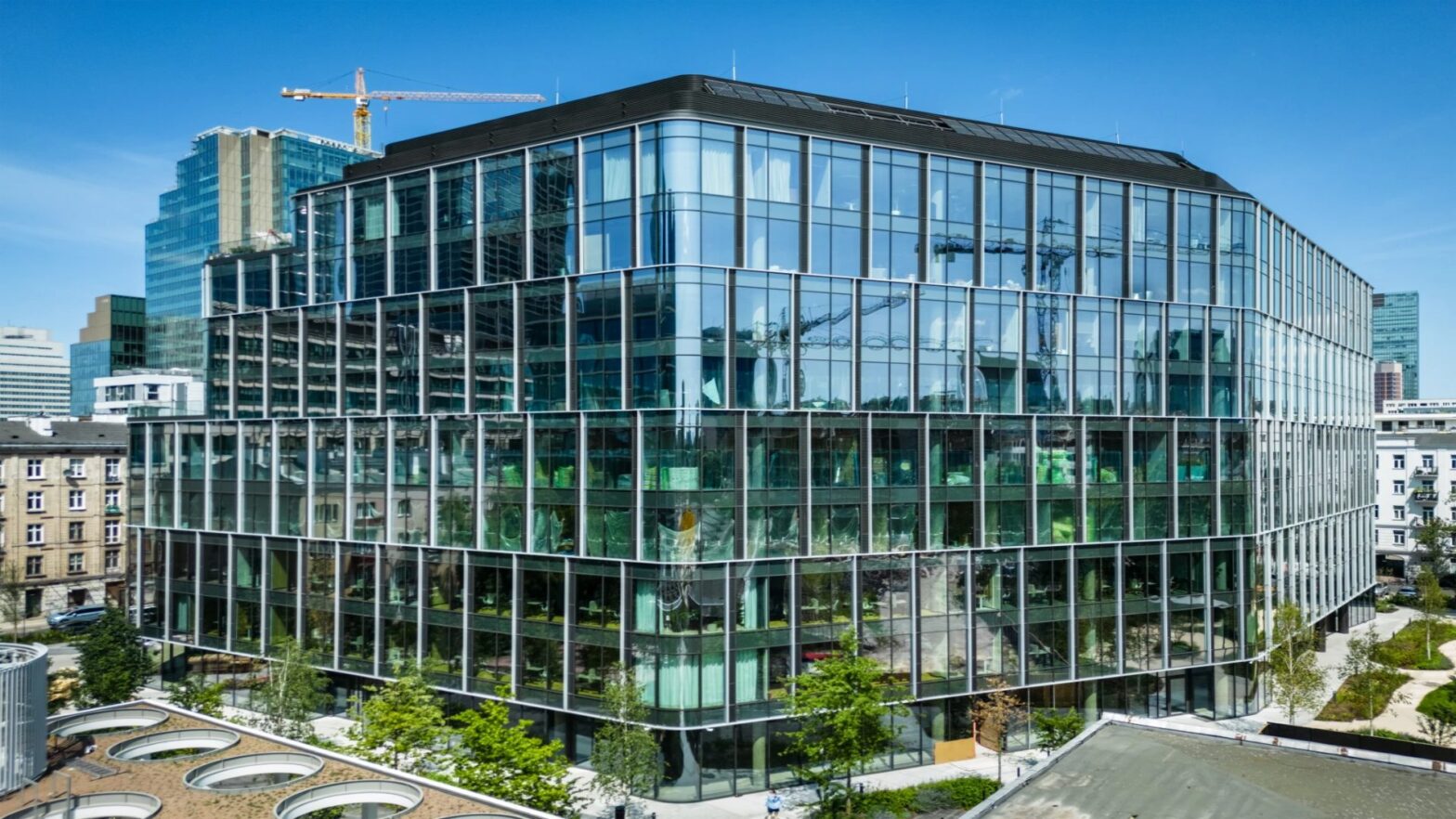
The construction industry, once dominated by paper blueprints and manual calculations, is now embracing a digital revolution. Applied technology graduates are at the forefront of this shift. Their proficiency in Building Information Modeling (BIM) is instrumental.
BIM is far more than just 3D modeling; it’s a collaborative process that creates and manages information on a construction project throughout its lifecycle. Graduates from applied technology programs are adept at utilising BIM software to design, plan, simulate, and manage construction projects more efficiently. They can identify clashes between different building systems before construction even begins, saving immense time and resources.
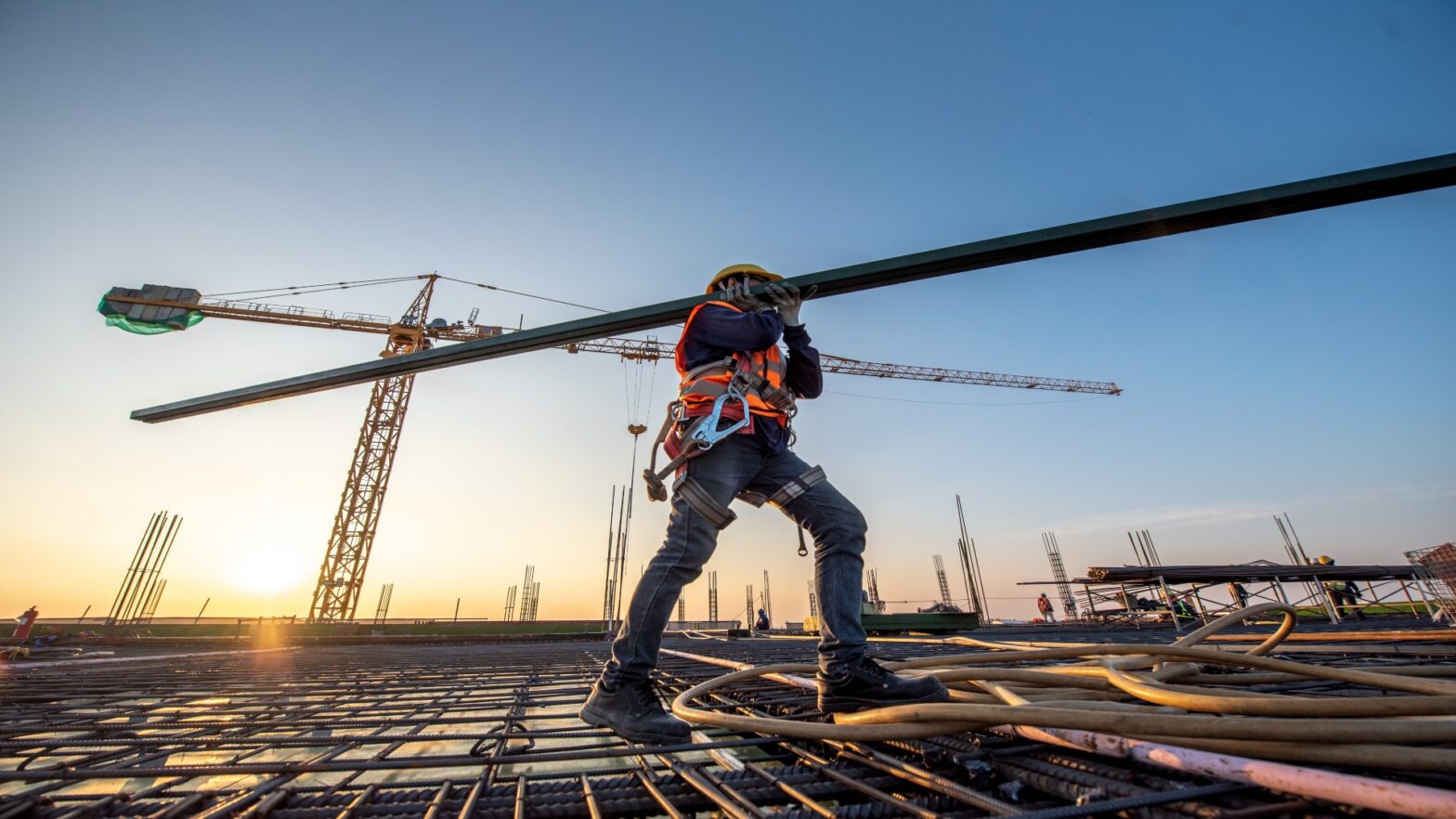
Furthermore, these graduates are driving the adoption of drones and advanced surveying equipment. They are trained in aerial data acquisition, photogrammetry, and the subsequent analysis of this data for site analysis, progress monitoring, and quality control. This not only enhances accuracy and speed but also significantly improves safety by reducing the need for workers to access hazardous areas.
The integration of robotics and automation on construction sites, from automated bricklaying to robotic demolition, is also being spearheaded by individuals with a strong applied technology background. Operations managers should possess the understanding of programming, operation, and maintenance required to implement these complex systems.
The focus on sustainable construction practices is another area where applied technology graduates are making a significant impact. Graduates and project engineers are knowledgeable about green building materials, energy-efficient design principles, and the implementation of smart building technologies that optimise resource consumption. Their ability to integrate data from various sensors and systems allows for real-time monitoring and adjustment of building performance, leading to reduced environmental footprints and operational costs.
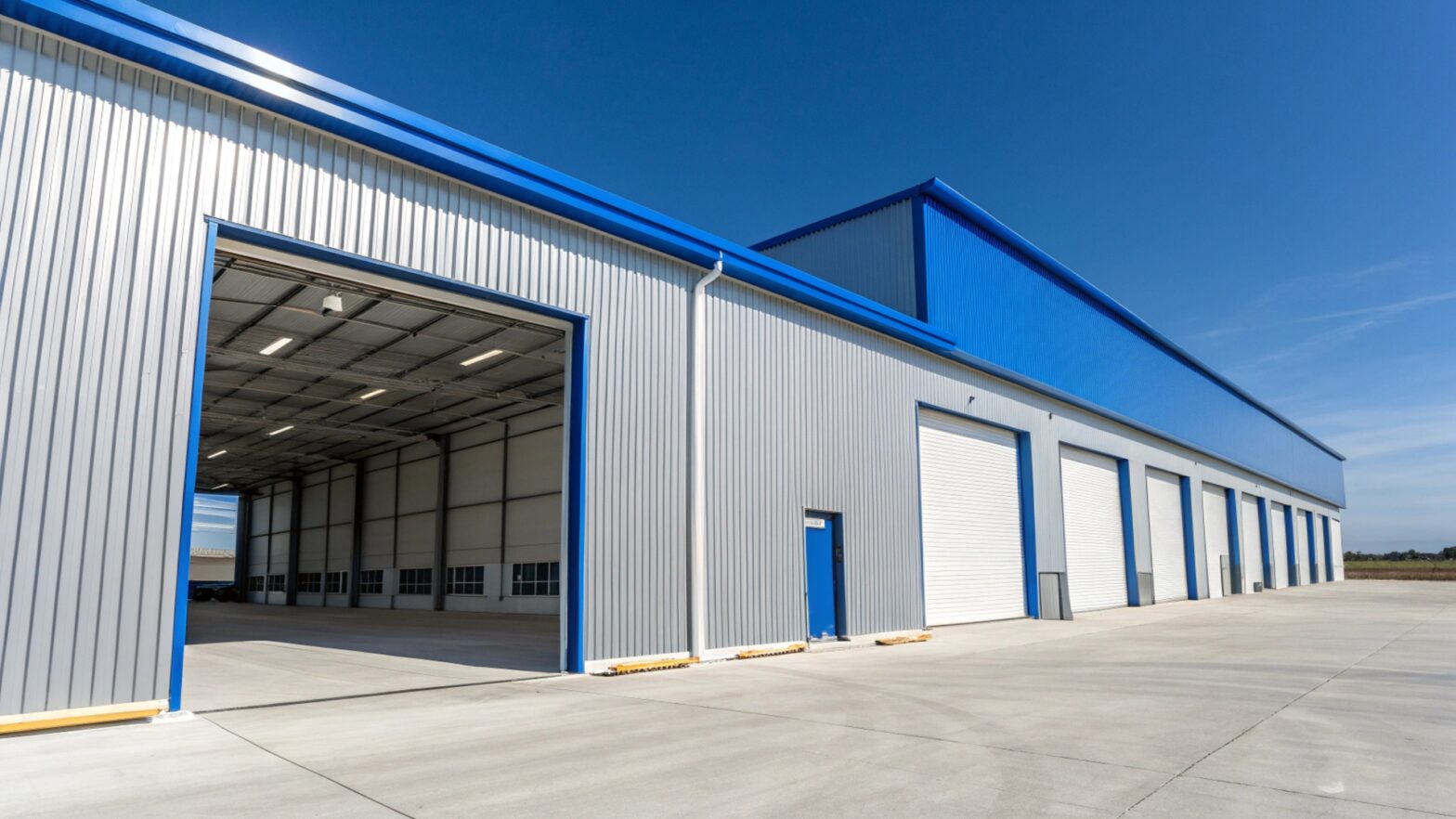
Manufacturing: Smart Factories
The manufacturing sector is experiencing its own seismic shift, often referred to as the Fourth Industrial Revolution. This revolution is characterised by the convergence of digital, physical, and biological spheres, and applied technology graduates are the catalysts for its successful implementation.
Their expertise in automation and robotics is paramount. They are not just operating robots; they are designing, programming, integrating, and troubleshooting complex automated systems on the factory floor. This leads to increased production speed, improved product quality, and enhanced worker safety by assigning repetitive or dangerous tasks to machines.
The concept of the “smart factory” is heavily reliant on the skills of these graduates. They understand and implement new technologies, enabling machines and systems to communicate with each other and with central control systems. This interconnectedness generates vast amounts of data that, when analysed by these tech-savvy graduates, provides invaluable insights into production processes, equipment maintenance needs, and potential areas for optimisation.
3D printing, or additive manufacturing, is another area where applied technology graduates are driving innovation. They possess the skills to design complex geometries, select appropriate materials, and operate advanced 3D printing equipment to create prototypes, custom parts, and even entire products. This technology is revolutionising product development cycles, enabling rapid iteration and the creation of highly specialised components that were previously impossible to manufacture.
Moreover, these graduates are instrumental in the implementation of digital twins. A digital twin is a virtual replica of a physical asset or process, allowing for simulation, analysis, and optimisation in a risk-free environment. Applied technology graduates can create, maintain, and leverage these digital twins to predict equipment failures, optimise production schedules, and test new manufacturing processes before deploying them in the real world.
The Future Is a Symbiotic Relationship
The relationship between applied technology education and the construction and manufacturing industries is becoming increasingly symbiotic. As these industries evolve, they demand graduates with ever more specialised and adaptable skillsets. Conversely, the innovation driven by applied technology graduates is compelling these sectors to invest further in advanced training and to embrace new methodologies.
The graduates are not just problem-solvers, they are forward-thinkers. They are trained to identify inefficiencies, anticipate future challenges, and develop innovative solutions. Their understanding of emerging technologies, coupled with a practical, hands-on approach, makes them invaluable assets in a rapidly changing economic landscape. From creating sustainable urban infrastructure to developing the next generation of advanced manufactured goods, applied technology graduates are not just constructing and manufacturing the present; they are actively building the future.