




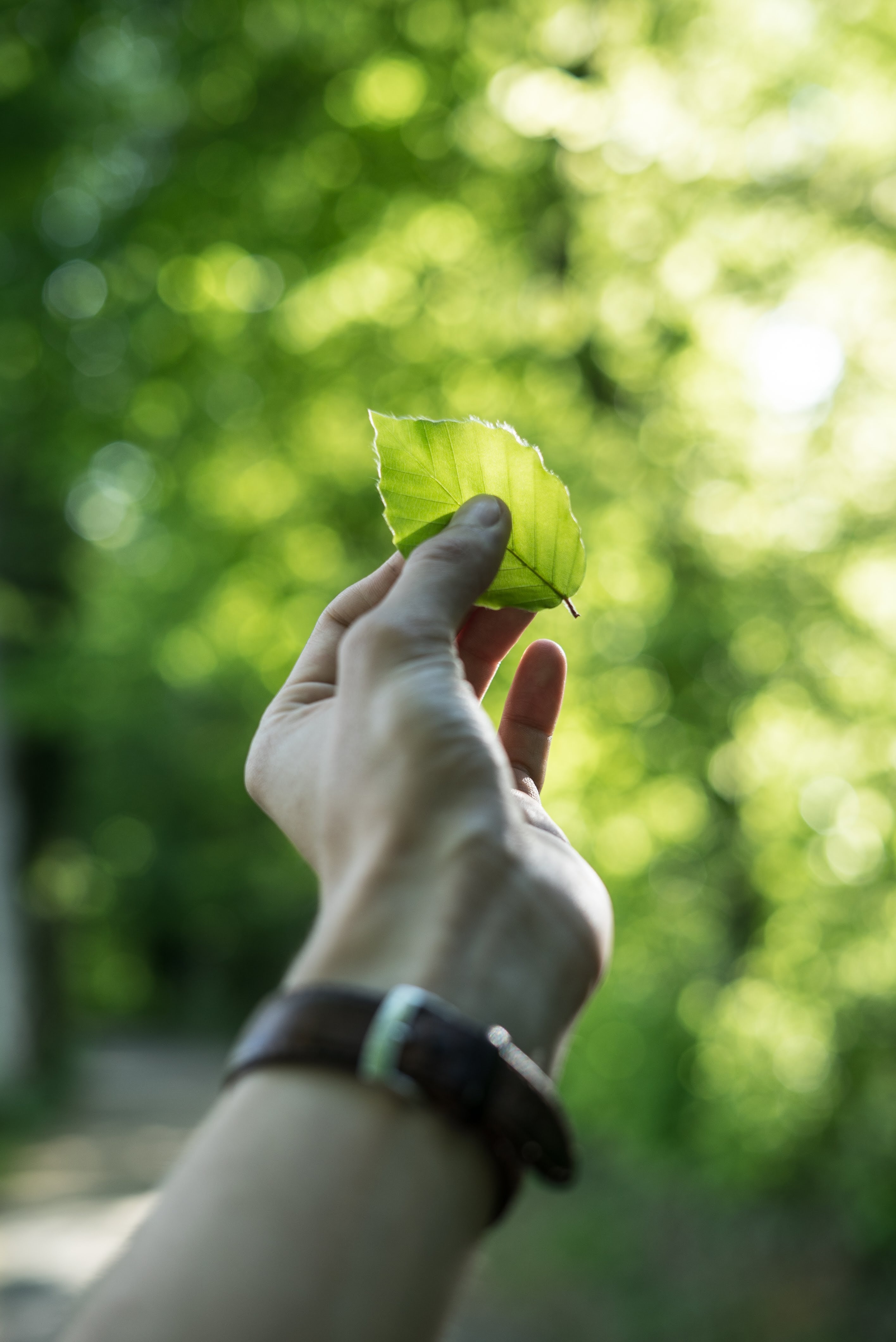












Sustainability has a higher importance in design with each passing year. In 2025, you’ll feel that a lot. It’s about finding balance, durability, about being ecologically-friendly, but of course, it’s also about the style.
Gravel and stone aren’t just some functional ground covers; they have become focal points in driveways, walkways, and gardens.
These materials are used frequently because architects are using their ability to last even in bad climate conditions; they basically don’t require upkeep or need minimal maintenance, and they’re the perfect addition to eco-conscious landscaping trends.
Why Gravel and Stone Are Gaining Popularity Ever More
Here are three primary reasons why:
Sustainability and Rainwater Management
Permeable surfaces are good at draining because they allow water to drain into the ground. That reduces runoff and flooding. Gravel driveways and sidewalks are excellent for stormwater management, particularly in areas with frequent heavy rains.
Natural Appearance and Texture
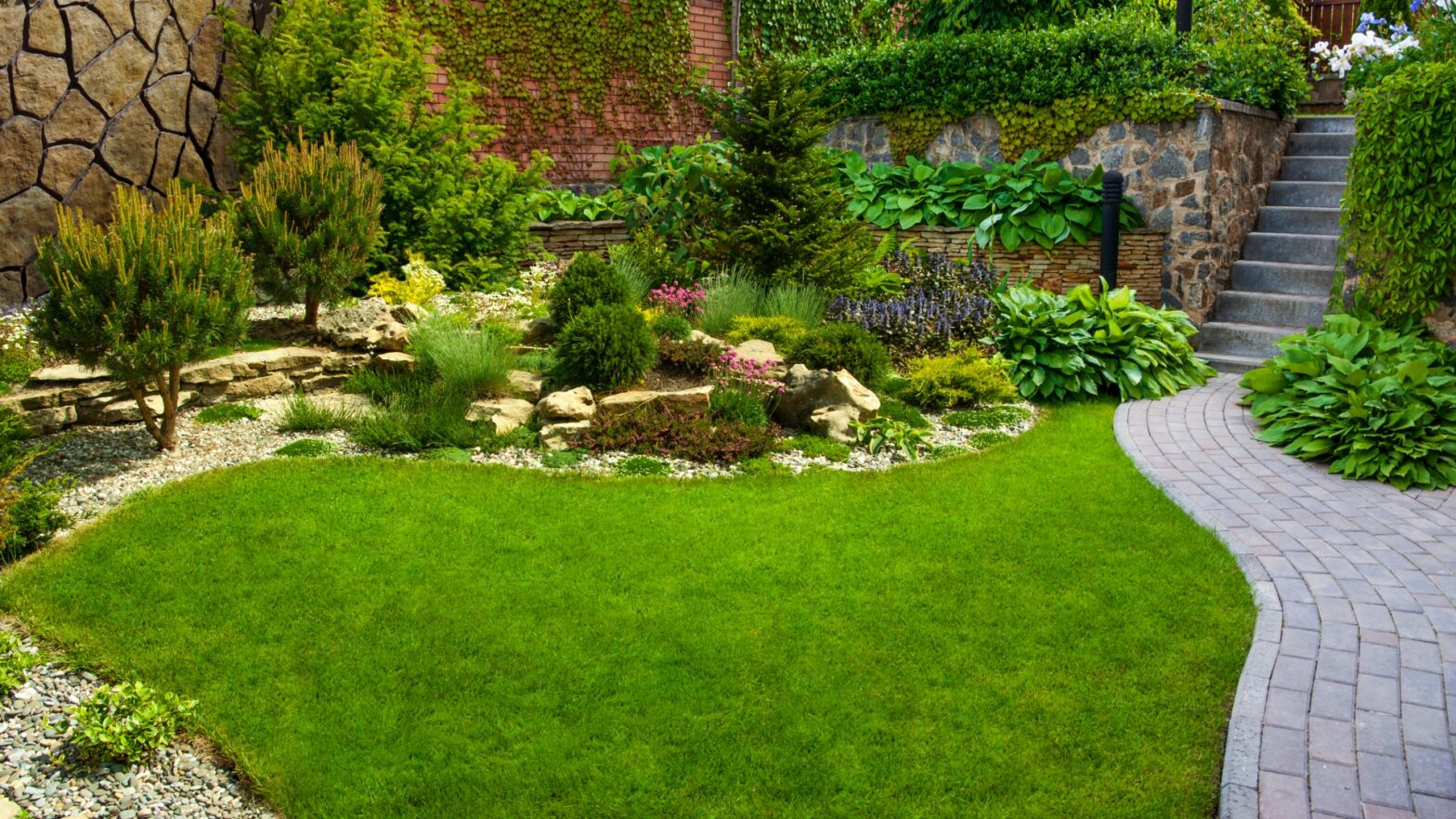
Earthy tone and organic texture are smoothly incorporated with plants and garden features. Designers are using sandstone, crushed granite, and river rocks in creating modern but timeless landscapes. This softer aesthetic is the anchor for the new biophilic design trend that is be going on strong, where we’re looking to add natural patterns and materials into the environment to boost health.
Low Maintenance
Stone and gravel don’t rot, fade, crack – things like that – meaning they’ll last you for years to come, making them VERY cost-effective. The only thing you’ll need is to replenish them eventually, but the frequency of that heavily depends on where you live and what type of gravel you’re using. But even the worst-case scenario means replenishing it every so often (every two years or so).
Key Outdoor Trends for 2025
- Permeable Paths/Driveways: Gravel or crushed-stone driveways are back in the game. They reduce standing water, minimize ice formation, and last long when properly edged and constructed in compacted layers.
- Create Contrast: For example, gravel lined with pavers or stepping stones set into crushed stone adds texture and visual appeal. The idea is to use multiple materials to create contrast; don’t go overboard with too many, as that defeats the initial concept.
- Regional Style Influences: Designers are making material choices to reflect local landscapes. Desert-style gardens in the American Southwest often feature decomposed granite and warm-colored rocks. Near the New England coast, bluestone and granite are dominant. At the same time, in Europe, design is restoring pea gravel courtyards and Mediterranean-inspired stone mosaics.
Regional Sourcing and Delivery Options
If you want to source stone or gravel, you should do it locally.
That is going to save you a lot of money on additional expenses, and it will provide quicker delivery and lower transportation costs.
In Pennsylvania, for example, especially in Dauphin, Lancaster, and Lebanon counties, sourcing local stone helps to keep the project running smoothly and affordably.
For example, in Pennsylvania, the gravel delivery Lebanon County residents rely on will deliver filtered, high-quality limestone gravel of various sizes (e.g., #4, #57, 2A, etc.), according to the PennDOT aggregate standard. Plus, ordering locally will ensure you get fast delivery times. And since Pennsylvania has its own limestone quarries, it helps Quakers get their gravel cheaper, because delivery can be very expensive.
But the same situation can be found in other regions. In Hudson Valley (NY), New Yorkers and New Jersians get their material from in-state quarries, which mostly process Alcove Bluestone and Onondaga Limestone.
In Colorado, for instance, you’ll see in-state quarries process mostly red feldspar, black mica, and white quartz. But what Colorado is known for is Colorado Rose Red Granite.
It’s going to give you great results, like less waste and lower costs for installation.
Design Tips to Maximize Gravel and Stone Usage
When you’re doing the hard work and investing money into making your outdoors just a better place to be in, you want to make the most out of it.
Here’s some advice on how you can maximize gravel and stone usage:
- Strong Edging: Steel, wood, or concrete edging keeps gravel from spreading and reduces wash-outs.
- Depth According to Standard: Walks typically require 2–3 inches of gravel, and driveways require 4–6 inches with a solid sub-base.
You get the gist.
Plan for drainage so that you don’t have problems in the future (e.g., cracks, shifts, sunken slabs, etc.), and don’t forget to add greenery. This not only helps add contrast to the whole design, making it more eye-pleasing, but it also gives us what we’re aiming for in 2025 – eco-friendliness.
Conclusion
As you can see, 2025 design trends are all about sustainable materials but without sacrificing visual appeal.
Gravel and stone are functional options and have their advantages, like better drainage, long life, and low maintenance. Aesthetically, they fit like no other material with natural, modern design styles.
If you plan installation smartly and source locally, you’ll get the space that looks more than great, performs well, and lasts for a long time.