




















The construction industry has witnessed a troubling trend where property owners fall victim to unscrupulous contractors, particularly in the demolition sector where the stakes are highest and the potential for catastrophic mistakes most severe. Smart property owners understand that comprehensive residential demolition planning requires more than just comparing quotes, while expert residential demolition services provide the peace of mind that comes from working with properly vetted contractors who prioritise safety, compliance, and accountability above quick profits. Like choosing a surgeon for a critical operation, selecting the wrong demolition contractor can have consequences that reverberate for years through insurance claims, legal battles, and structural disasters.
The complexity of modern demolition work has evolved far beyond simple teardown operations, requiring sophisticated understanding of structural engineering, environmental regulations, and safety protocols that separate legitimate contractors from opportunistic operators. Strategic demolition project management reveals the intricate planning required for successful outcomes, while industry veterans recognise the warning signs that property owners often overlook until it’s too late. Construction project risk management principles apply directly to demolition contractor selection, where due diligence becomes the primary defense against costly mistakes.
The Anatomy of Construction Fraud
Demolition projects attract unqualified contractors like honey draws flies, primarily because property owners often view demolition as straightforward destruction work that requires minimal expertise. This fundamental misunderstanding creates opportunities for fraudulent operators who exploit property owner naivety while avoiding the regulatory oversight that governs other construction specialties.
Environmental compliance represents one of the most dangerous areas where fraudulent contractors create long-term problems for property owners. Asbestos testing, lead paint remediation, and hazardous material disposal carry strict regulatory requirements and substantial penalties for non-compliance. Legitimate contractors understand these obligations and build appropriate costs into their proposals, while fraudulent operators often ignore environmental regulations entirely or provide verbal assurances that hold no legal weight.
License and Insurance Verification Critical Points
Professional demolition work requires specialised licensing that varies by jurisdiction but consistently includes bonding requirements, insurance minimums, and demonstrated competency in safety protocols. Property owners must verify not just that licenses exist, but that they remain current and cover the specific type of work being performed.
Insurance verification extends far beyond simply confirming that a contractor carries coverage. The insurance must include general liability, workers’ compensation, environmental pollution liability, and completed operations coverage with limits appropriate to the project scale. Many fraudulent contractors carry minimal insurance or policies with exclusions that leave property owners exposed to claims from injured workers or environmental damages.
Bonding provides another layer of protection that separates legitimate contractors from fraudulent operators. Performance bonds guarantee project completion according to specifications, while payment bonds protect property owners from mechanic’s liens filed by unpaid subcontractors or suppliers. The cost of bonding often deters fraudulent contractors who cannot meet underwriting requirements or afford the premiums.
Red Flag Warning Systems
Experienced property developers have learned to recognise specific warning signs that indicate potential contractor fraud or incompetence. Excessive pressure to sign contracts immediately, demands for large upfront payments, and reluctance to provide detailed written proposals all suggest contractors who operate outside industry norms.
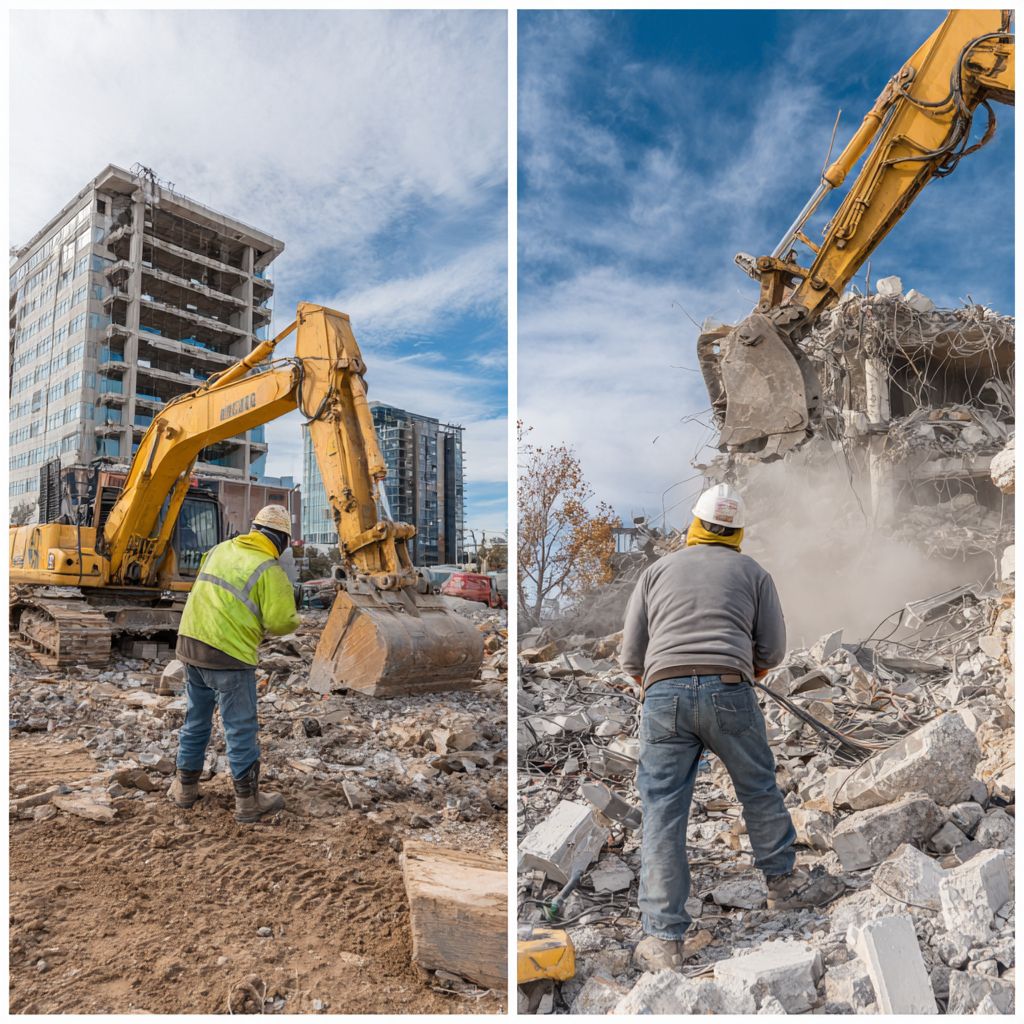
The quality of equipment and vehicles often reveals contractor legitimacy more clearly than marketing materials or verbal presentations. Professional demolition contractors invest in proper excavation equipment, safety gear, and transportation vehicles that reflect their commitment to quality work. Contractors arriving with inadequate equipment or makeshift tools typically deliver results that match their preparation level.
Financial Structure and Payment Patterns
Legitimate demolition contractors structure payment schedules that align with project milestones and protect both parties from financial risk. Typical payment structures require minimal upfront fees, with the majority of payments tied to completion of specific work phases and final cleanup approval.
The ability to provide detailed cost breakdowns separates experienced contractors from fraudulent operators. Professional demolition contractors can explain their pricing structure, including labor costs, equipment rental, disposal fees, and permit expenses. Contractors who provide only lump-sum quotes without detailed explanations often hide inflated margins or plan to cut corners on essential services.
Regulatory Compliance and Documentation
Modern demolition projects require extensive documentation and regulatory compliance that create substantial administrative burdens for legitimate contractors. Permit applications, environmental testing reports, waste disposal certifications, and safety inspection records represent just a portion of the paperwork required for compliant demolition work.
The documentation provided by legitimate contractors reflects their understanding of regulatory requirements and commitment to compliance. Professional contractors maintain detailed records, provide copies of required certifications, and explain regulatory obligations that affect project timelines and costs. Contractors who cannot or will not provide documentation typically operate outside regulatory compliance.
Industry Reputation and Reference Networks
The construction industry operates on reputation networks where legitimate contractors build long-term relationships with suppliers, subcontractors, and previous clients. These relationship networks provide natural reference checks that help property owners verify contractor legitimacy and performance history.
Legitimate demolition contractors welcome reference requests and provide contact information for recent clients who can verify work quality, timeline performance, and cleanup standards. They maintain relationships with material suppliers and disposal facilities that can verify their operating practices and payment history.
Technology and Modern Best Practices
Digital communication systems, project management software, and electronic documentation platforms enable legitimate contractors to provide real-time updates and maintain transparent communication throughout project completion. Contractors who rely solely on verbal communication or resist providing written documentation often avoid creating records that could be used to verify their performance or compliance with contract terms.
The construction industry continues evolving as property owners become more sophisticated about contractor selection and regulatory agencies increase enforcement of safety and environmental requirements. Understanding these red flags and verification processes enables property owners to make informed decisions that protect their interests while supporting legitimate contractors who invest in proper equipment, training, and compliance systems.
Remember, the lowest bid rarely represents the best value when potential liability and long-term consequences are considered. Invest in proper contractor vetting to protect your property and financial interests while supporting construction industry professionals who prioritise safety, compliance, and quality outcomes.