












Concrete is one of the most used materials in construction. You work with it on almost every type of project, from floors to walls and from foundations to precast elements. Still, concrete work comes with challenges. Surface defects, sticking formwork, cracks, and durability issues happen often. That is why it helps to think in practical concrete solutions. In this blog, you will read how to improve your process. You will learn what matters before, during, and after pouring.
Why good preparation makes all the difference
A concrete pour starts long before the truck arrives. Preparation decides the final quality. You need the right formwork and clean surfaces. Moisture, dust, or residue can cause problems. Concrete may stick or cure unevenly, which creates delays and extra repair work.
Using the right products early helps prevent this. Many professionals choose proven systems from Ecoratio to support clean and reliable results. Good preparation also reduces waste on site. Less rework means fewer costs and less disruption. That is a concrete solution in itself.
Improving surface quality and reducing defects
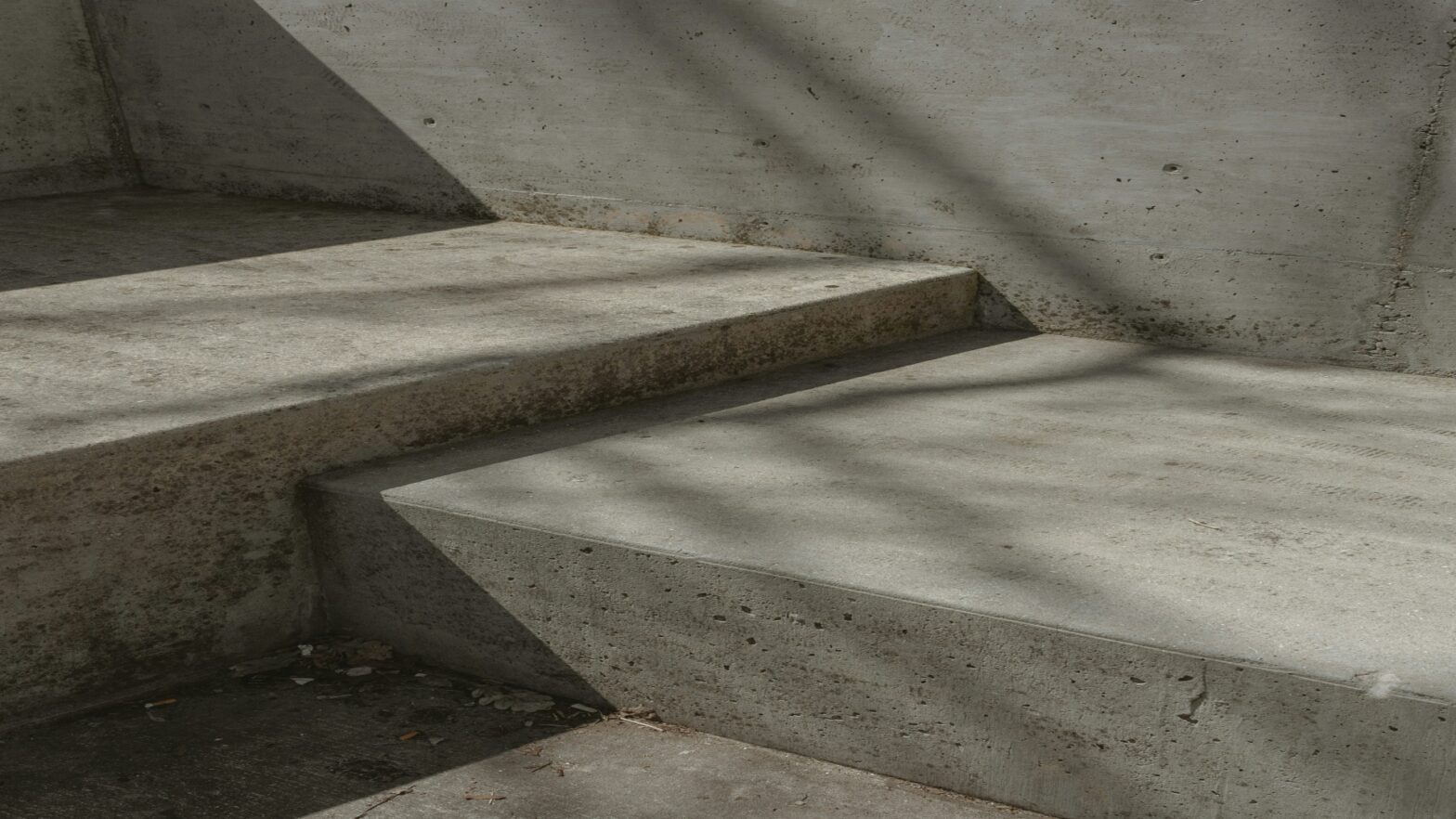
A smooth surface finish is often a key requirement, especially in visible concrete or architectural projects. Air pockets, stains, and rough patches are common issues. They can appear even when the mix is correct.
Proper vibration helps reduce trapped air. Timing also matters during placement. Too much delay affects curing and texture. Release agents play an important role as well. They prevent bonding between concrete and formwork. This makes demoulding easier and cleaner.
If you want consistent results, you need reliable concrete solutions that match your application and material type. This supports a better finish with less correction work.
Enhancing durability and long term performance
Concrete structures must last for decades. Durability is not optional. Weather, chemicals, and heavy loads affect performance. Cracks often start small but grow over time. Moisture penetration can weaken the structure and lead to higher maintenance costs later.
Durability starts with proper curing. Concrete must retain moisture in the early phase. Temperature control also matters during hardening. Using protective treatments can reduce wear. This is important in industrial floors and infrastructure. The goal is simple. Concrete should remain strong and stable for years. That is why long term concrete solutions matter.
Sustainable choices in modern concrete construction
Sustainability is becoming more important in construction. Clients expect lower impact and cleaner processes. Concrete work can generate waste and emissions. Better planning helps reduce both.
Choosing efficient release agents reduces material loss. Cleaner formwork means less water use during cleaning. It also lowers the need for harsh chemicals. Recycling formwork materials is another step, as is reducing repairs through better first time quality. Small improvements across each project add up. They help you build more responsibly. Sustainable concrete solutions support both cost and impact goals.
Conclusion: better results with the right approach
Concrete work is demanding but manageable. The right preparation, surface control, durability planning, and sustainable practices improve every project. When you focus on practical solutions, you save time. You reduce defects and deliver stronger structures.
Concrete solutions are not just products. They are part of a smarter construction process.