




















Over 90% of US households currently utilize air conditioning. As the demand for HVAC engineers grows, so do the innovations reshaping the industry.
With a market expected to exceed $79.85 billion by 2030, the HVAC industry’s development continues to increase competition between local contractors. On the back of AI’s growing role in the sector and a push for sustainable solutions, contractors must work harder than ever before to close a deal.
It’s therefore no surprise that a staggering 70% of new HVAC businesses are now throwing in the towel in just their first year of operation.
To compete and close more deals, your company must embrace some of the newest HVAC innovations on the market. From IoT integrations to adopting low-GWP refrigerants, here are some of the most sellable trends to jump on board with before 2026.
The Introduction of Smart HVAC
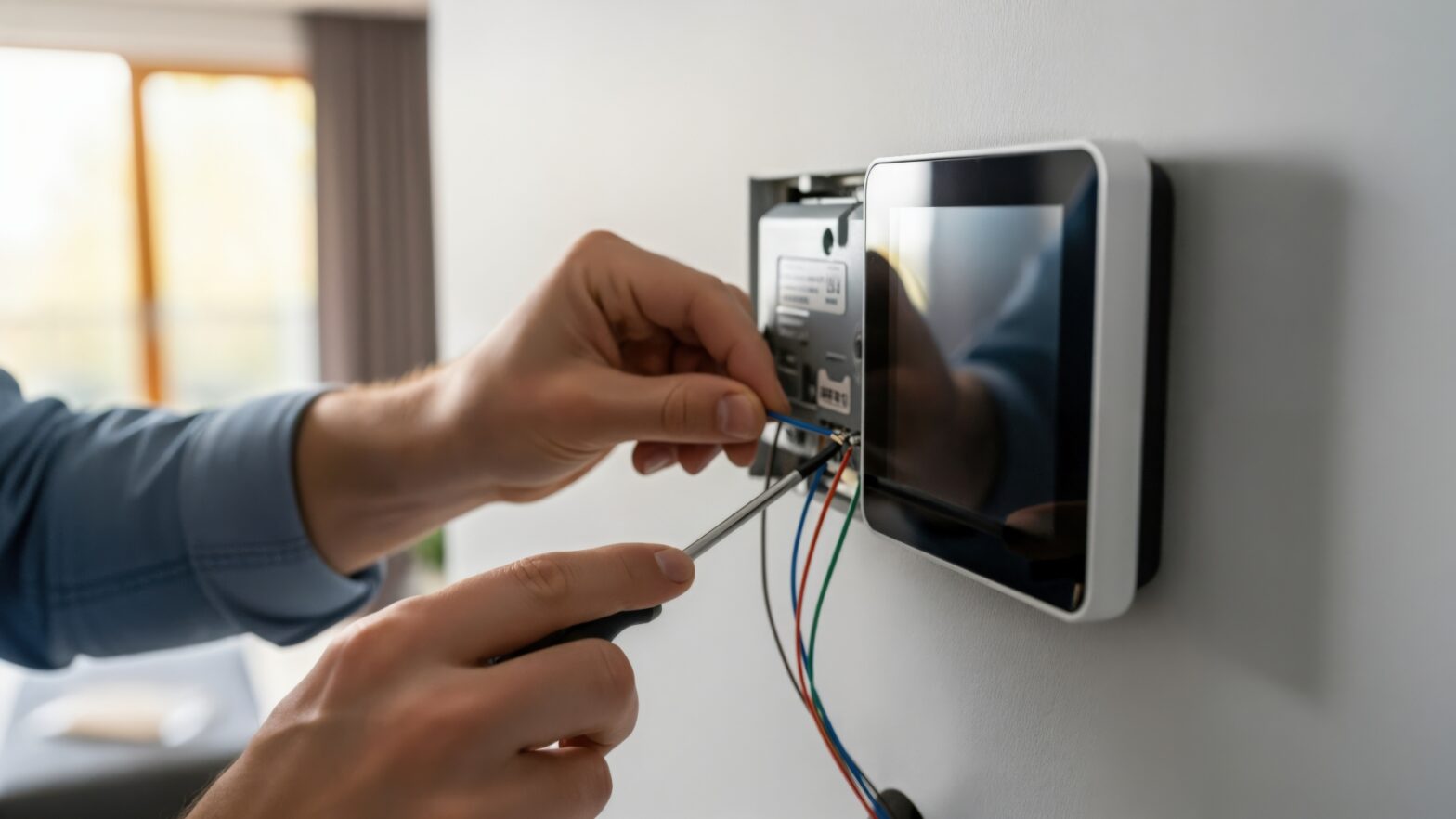
The introduction of smart HVAC systems has changed the game for industry contactors. Gone are the days of manual control. Customers are now looking for increased comfort and automated management.
Smart HVAC systems offer improved temperature regulation and provide customers with the ability to adjust temperatures via the convenience of remote control apps.
If you’re not offering smart IoT integrations with your HVAC packages, your sales will reflect your hesitation. In fact, the smart HVAC market alone is set to be worth a whopping $24.3 billion by 2031.
IoT is powering the smart home revolution. IoT integration is not only behind the introduction of smart thermostats and remote control, but the best innovative HVAC systems on the market now also feature remote monitoring and diagnostic features, which alert service engineers when maintenance is needed.
Smart IoT integrations instantly connect to your end-to-end HVAC service software, which assists HVAC contractors when connecting with field service engineers.
Smart diagnostic features have become a key selling point for customers looking to avoid costly breakdowns and ensure peak performance.
Adoption of Low-GWP Refrigerants
Sustainability is a significant selling point for HVAC technology in 2025. Recent statistics have revealed that upgrading to an energy-efficient HVAC system can reduce your carbon footprint by 20-50%.
With more eco-conscious consumers now looking to make the switch, selling sustainable features could be your ticket to closing a deal in the coming years.
One sustainable innovation, in particular, that is paving the way for a greener industry is the transition to lower-GWP refrigerants.
R-454B and R-32 refrigerants have proven to be far more energy-efficient than their predecessors. In fact, experts hope that this new transition could help the HVAC industry achieve carbon neutrality by 2050.
Opting to manufacture HVAC systems with lower GWP refrigerants will not only improve your company’s sustainable selling point, but also futureproof your business for ongoing regulation changes.
The Birth of Artificial Intelligence
We have reached the era of predictive maintenance. If you want your HVAC business to grow, embracing AI-powered features is a no-brainer.
AI-powered HVAC systems are designed to automatically identify potential issues that could lead to system failures in the future.
Leveraging machine learning, these intelligent algorithms can predict precisely when the HVAC system needs to be serviced, allowing contractors to offer preventive maintenance packages that save customers money and hassle.
Better still, the integration of AI into HVAC technology also enhances energy efficiency. AI-powered HVAC systems can automatically adjust settings to optimize energy use when a customer isn’t home. This translates to lower utility bills for the user and a great deal closer for new installations.
Advanced Air Filtration and Purification Technologies
A new focus on health and wellness in the US consumer market is also driving sales in the HVAC industry.
In a post-pandemic America, maintaining indoor air quality has become a primary concern for just about every HVAC customer across the nation.
Including advanced filtration technologies such as HEPA filters and UV-C light purification in your HVAC package will make your contracting services more desirable in a competitive market.
These advanced air filtration technologies aim to remove contaminants from the air. These contaminants trigger allergies and contribute to the spread of airborne diseases. The most popular HVAC systems on the market now strive to address these concerns by utilizing multi-stage filtration and UV light technology, which work to eliminate bacteria and viruses.
If you want to close a deal for your HVAC services in 2025, an air purification promise is a priority, not an added extra.
The Ultimate Deal Closer
If you’re looking to close the ultimate deal as an HVAC contractor, including all four of these system innovations is crucial.
Customers will no longer settle for second best; your services must promise remote control, energy efficiency, predictive maintenance, and pristine air quality.
Those who embrace new technologies and lean into an eco-conscious consumer market will see the most success in a constantly evolving industry.